
Choose a shower door by starting with your bathroom layout, then compare door style, glass style, privacy, water control, cleaning needs, and budget. The right glass shower door should fit the opening, open easily, meet safety needs, and work well with your household’s daily bathroom use.
Choose for daily use first
A new shower door may seem like a design choice at first. Once you start comparing options, the practical details quickly shape the decision. The bathroom layout may limit the door swing. The showerhead may affect water control. Clear glass may look open, but it may also show more mineral spots.
The best glass shower doors fit the bathroom first. Style comes next. A door that looks great in a showroom may feel awkward if it hits the vanity or leaves water on the floor. Before you choose a style, think about how the shower opening, nearby fixtures, and daily routines shape your custom shower glass options.
Start with your bathroom layout
Start with the bathroom you already have. A shower door needs to fit the opening, but it also needs to work with everything around it. The vanity, toilet, towel bar, bathroom door, and shower opening all affect the choice.
Before you compare styles, look at the way the space functions now:
- Does the room have enough clearance for a swing door?
- Would a sliding door work better in a narrow bathroom?
- Does the showerhead spray toward the door opening?
- Does the curb slope toward the shower?
- Do the walls look square, or do they angle slightly?
A glass shower door also needs the right support. Tile, wall structure, threshold shape, and hardware placement all influence the final setup. A glass professional also checks plumb walls and level surfaces before recommending a door.
Compare the main types of shower doors
Once you understand the layout, compare the main types of shower doors by function. Each style solves a different space problem.
- Sliding shower doors work well in smaller bathrooms because the panels slide along a track rather than swing into the room. They often fit tub-shower combinations and wider openings.
- Hinged shower doors open like a standard door. They usually fit bathrooms with open floor space in front of the shower. They create a simple entry, but they need clearance.
- Pivot shower doors rotate on hardware near the top and bottom of the door. Murray Glass explains the difference between hinge and pivot shower doors in more detail.
- Fixed glass panels often work for walk-in showers. They leave part of the shower open, so shower depth and spray direction play a major role.
- Neo-angle shower doors fit many corner showers. They use angled panels to work around compact layouts.
Decide between framed, semi-frameless, and frameless glass
After you choose the opening style, compare framed, semi-frameless, and frameless designs. This choice affects the look, structure, cleaning, and budget.
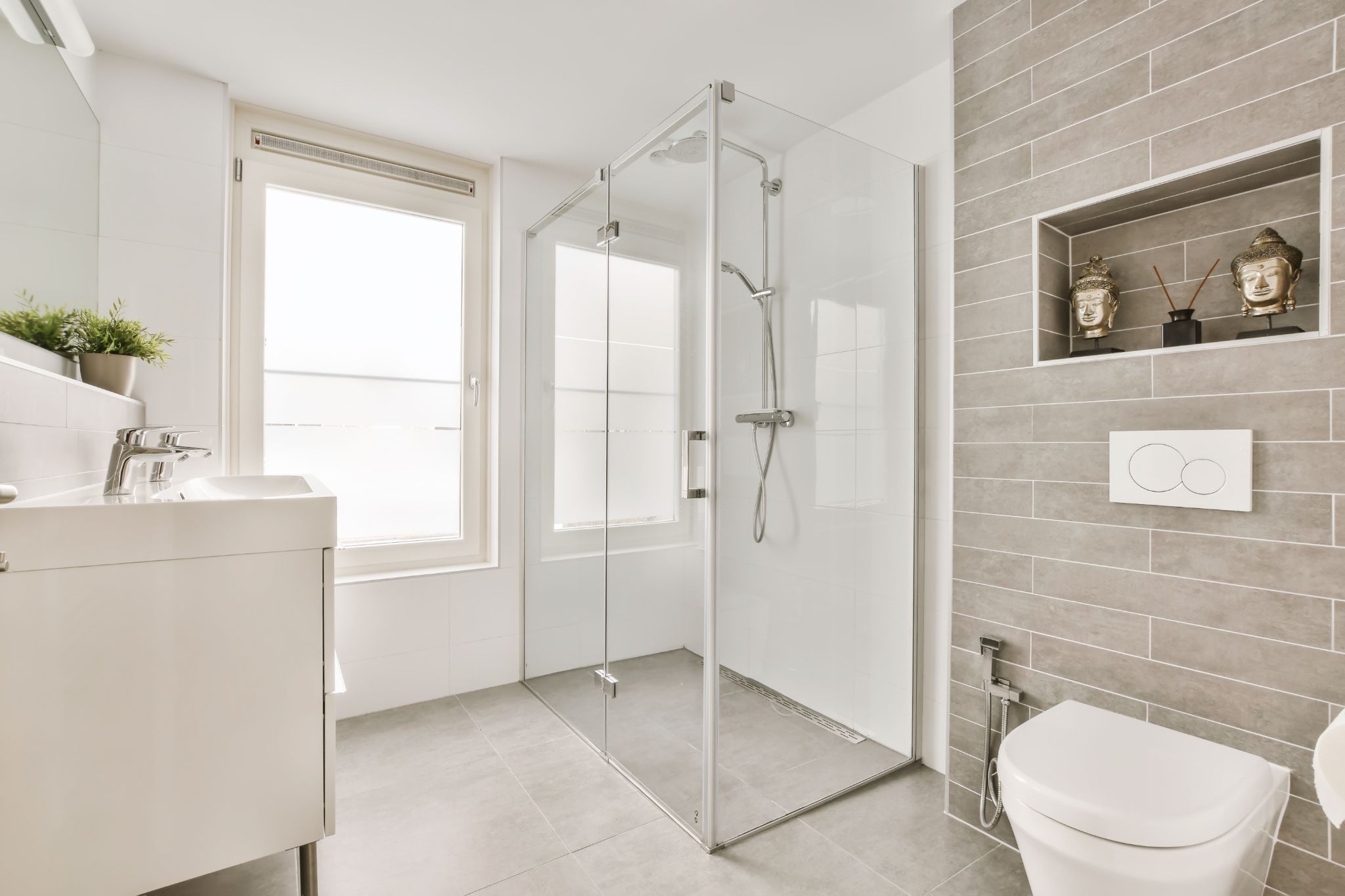
A framed door uses metal around the glass. This option often gives the enclosure more structure and may fit a practical remodel budget. It also creates more seams and tracks to clean.
A semi-frameless door reduces the amount of metal while keeping support where the layout needs it. Many homeowners choose this middle option when they want a cleaner look without fully moving to a frameless setup.
A frameless door uses thicker glass and minimal hardware. It often makes the shower feel more open, especially when the bathroom has custom tile or a walk-in layout. It also puts more pressure on accurate measurement and installation.
The right shower door doesn’t always need the most open, frameless look. The better choice fits the bathroom layout, works with your budget, and helps keep water where it belongs.
Choose the right glass style
Glass style affects privacy, light, cleaning, and the way the bathroom feels. Clear glass remains the most common choice because it keeps the room open and showcases tilework. It works especially well in smaller bathrooms that need more light.
Privacy glass gives the bathroom a different feel. Frosted glass softens the view while still letting light through. Textured glass adds privacy and may hide some watermarks better than clear glass. Pattern choice also affects the final look, so it helps to view samples in person when possible.
Low-iron glass gives a clearer appearance with less of the slight green tint that standard glass may show, especially near thicker edges. Tinted glass creates a more specific design style, but it may make the shower area feel darker.
When you choose a glass shower door, think beyond the first impression. The glass needs to support the desired privacy and light levels, as well as the cleaning routine for the bathroom.
Think through water control
Water control deserves more attention than it usually gets. A shower door doesn’t work alone. The showerhead, curb, threshold, door gap, panel size, and seal placement all affect how well the enclosure retains water.
Frameless doors often have small gaps by design. That doesn’t make them a poor choice, but it does make the layout more important. A showerhead that sprays directly at the opening may push water through places where a framed system would offer more coverage.
Before choosing among the types of shower doors, look at the water path:
- Where does the showerhead point?
- Does water run toward the drain?
- Does the curb slope back into the shower?
- Would a fixed panel block enough splash?
- Does the door need a sweep or seal?
A good design reduces daily frustration. It also helps protect the surrounding floor and nearby finishes.
Consider cleaning and privacy
Cleaning needs should shape the choice from the beginning. Clear glass makes a bathroom feel open, but it also shows water spots faster. Frosted or textured glass may hide some marks, though textured surfaces sometimes require more thorough cleaning around the pattern.
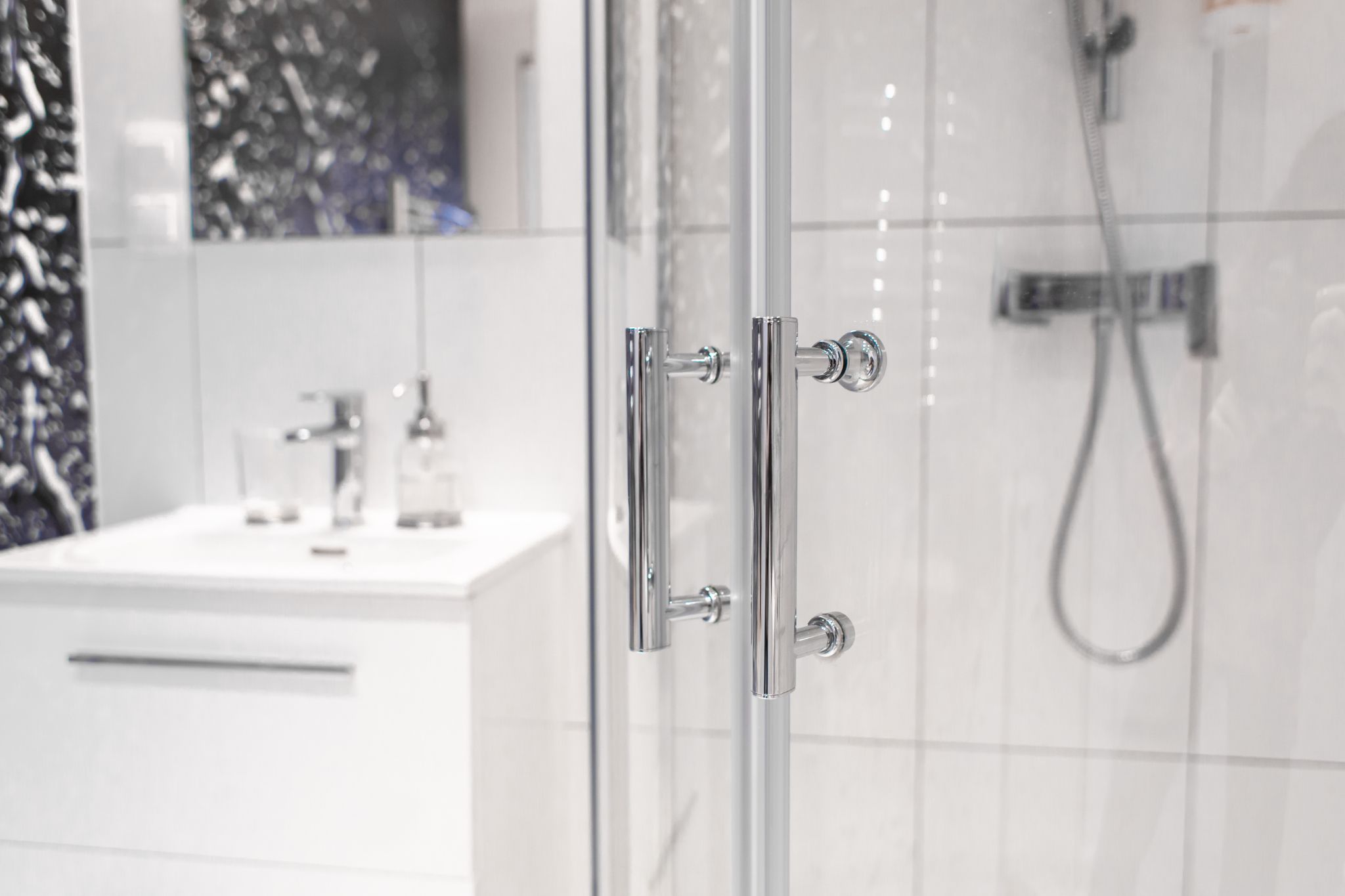
Frameless designs often have fewer tracks. Sliding doors save space, but their tracks and rollers need more attention over time.
Utah homeowners should also think about mineral buildup. The U.S. Geological Survey explains that groundwater often contains dissolved mineral constituents, which contribute to hard water. In a shower, that may show up as spots or cloudy buildup on glass.
The best glass shower doors fit the way people actually maintain the bathroom. A quick squeegee habit after showers helps keep the glass cleaner.
Understand what affects the estimate
A shower door estimate depends on the full scope, not only the size of the opening. Two bathrooms with similar measurements may need different glass, hardware, or installation steps.
Several details may affect the quote:
- Door style
- Glass thickness
- Opening size
- Hardware finish
- Custom angles
- Wall conditions
- Removal of the old enclosure
- Installation complexity
Frameless glass often costs more because it usually needs thicker glass, stronger hardware, and precise installation. Custom shapes also affect the work because the glass must fit the tile and the surrounding surfaces.
Avoid common shower door mistakes
Many shower door problems start before installation. The wrong choice may fit the opening on paper, but still feel awkward during daily use.
Watch for these common mistakes:
- Choosing a swing door without checking the clearance
- Picking clear glass without thinking about privacy
- Choosing frameless glass without reviewing water control
- Measuring before the tile and the threshold reaches the right stage
- Waiting too long to choose hardware finishes
- Assuming every opening fits a standard-size door
- Focusing only on style instead of daily use
These mistakes often come from choosing the look first. The layout should lead the decision. After that, style choices become much easier.
Know when to call a glass professional
Some shower door choices feel simple. Others need a closer look. A professional measurement helps when the shower has custom tile, angled walls, an uneven curb, or limited clearance.
Federal safety-glazing rules cover shower doors and enclosures, so safety glass selection belongs in the planning conversation. Most residential shower doors use tempered glass because it breaks differently than regular glass when impact occurs.
FAQ
What type of shower door works best for a small bathroom?
A sliding door usually works well in a small bathroom because it doesn’t swing into the room. A fixed panel may also work for some walk-in showers, but the shower needs sufficient depth to control splashing.
Are frameless shower doors worth it?
Frameless shower doors work well when homeowners want a cleaner look, and the bathroom layout supports the design. They usually need thicker glass and more precise installation. They may not suit every budget or every shower layout.
Do frameless shower doors leak?
Frameless doors may have small gaps because they use less metal framing. Water control depends on showerhead direction, curb slope, door placement, and seal details.
What glass works best for privacy?
Frosted or textured glass usually works best for privacy. Both options soften the view while letting light into the shower. Clear glass keeps the room feeling more open, but it doesn’t hide the shower interior.
What affects the cost of a shower door?
Door style, glass thickness, opening size, hardware, custom fabrication, and installation needs all affect the estimate. Removal of an old enclosure may also change the scope.
When should I get my shower measured?
Final measurement usually works best once the tile, curbs, and surrounding surfaces are at the right stage. Finished surfaces give the glass professional a more accurate opening. Early planning still helps because the door style may affect tile layout or hardware placement.
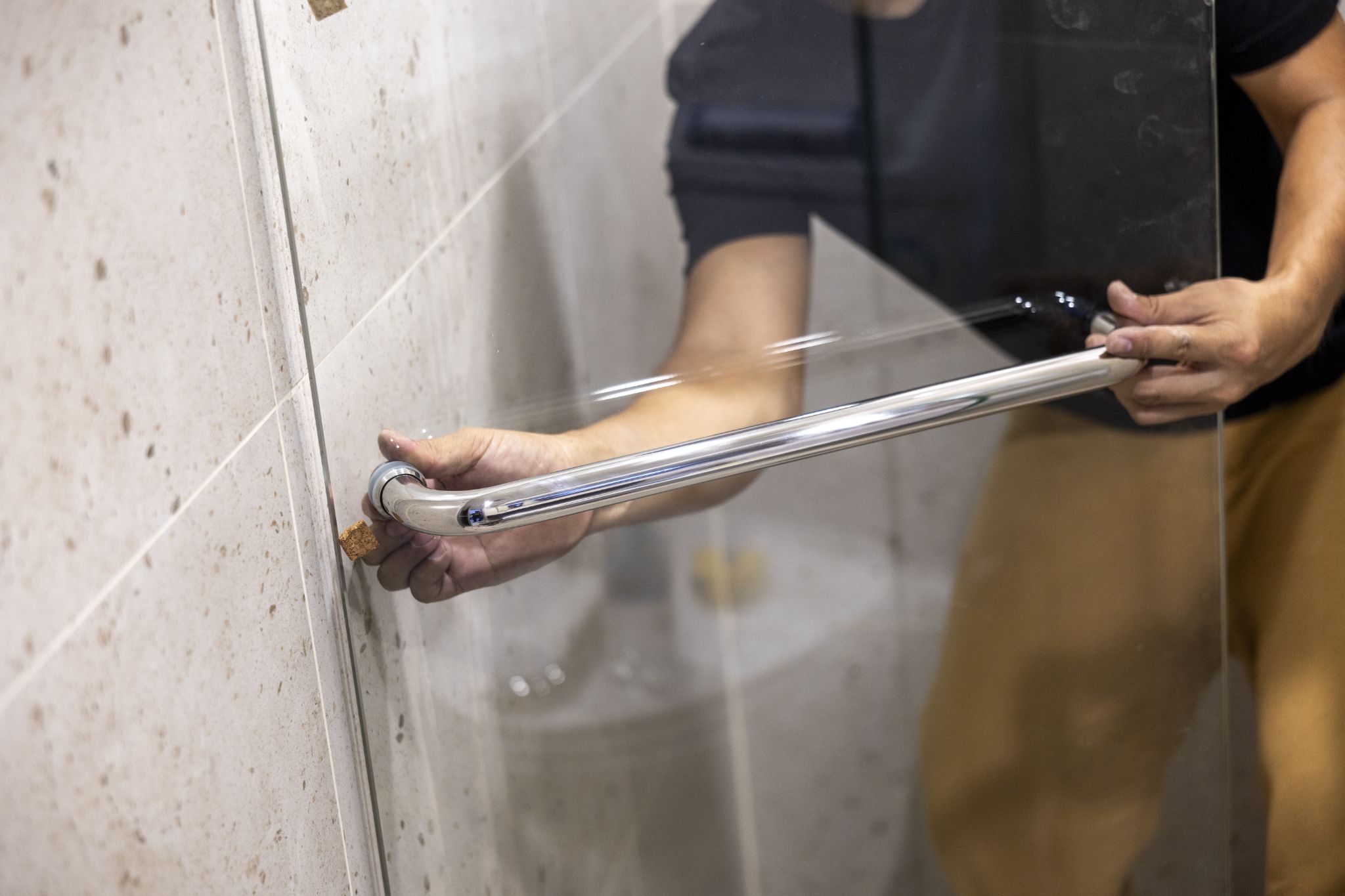
Talk to Murray Glass about your shower door project
Choosing the right shower door starts with the bathroom layout, then moves into style, glass, water control, privacy, cleaning, and budget. A good shower door should look clean in the space and open easily. It should also help contain water during everyday use.
Murray Glass helps homeowners compare options before they commit to a design. Our team measures the opening, reviews the layout, and explains the scope so you know what the project includes before work begins. If you’re planning a bathroom remodel or replacing an older enclosure, contact Murray Glass to request an estimate.