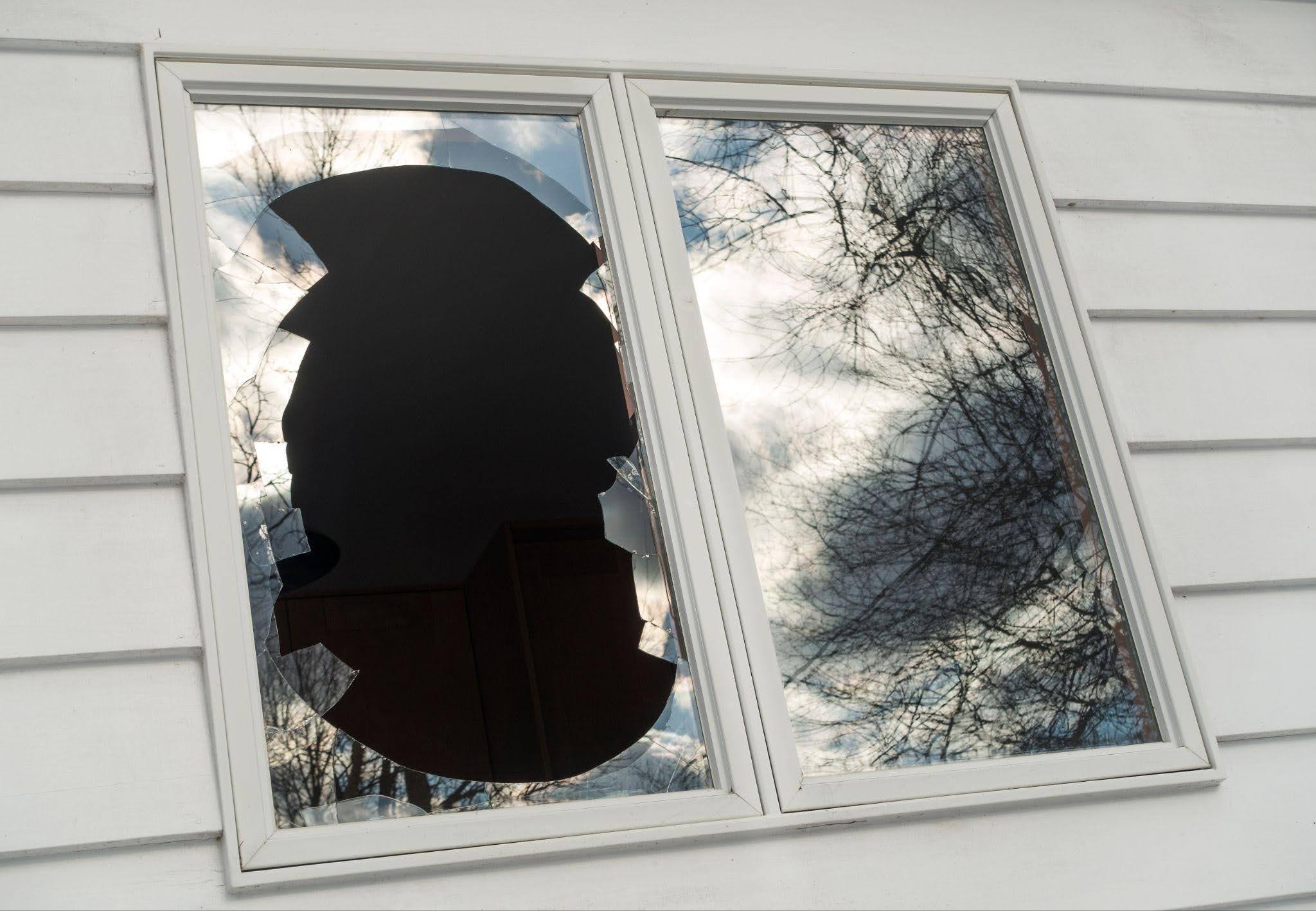

Windows usually break because something strikes the glass or uneven stress builds across the pane. Common causes include accidental impact, severe weather, thermal stress, frame pressure, and damaged glass edges. Once a pane cracks, replacement usually provides the dependable fix, although homeowners often keep the existing frame when it remains in good condition.
When a broken window leaves you wondering what happened
A broken window doesn’t always come with an obvious explanation. Sometimes a rock hits the pane during yard work or hail strikes during a storm. Other cracks seem to appear overnight with no visible point of impact.
Understanding the cause helps you decide what to do next. The crack pattern may offer clues, while the frame condition may affect the repair. Window glass repair often starts with determining whether the problem affects only the pane or extends into the rest of the window.
Why do windows break?
Problems start when a concentrated impact or uneven stress pushes window glass beyond its limits. Some windows break immediately after an obvious event. Others develop a weakness first, then crack later when another source of stress reaches that area.
That difference explains why a pane may suddenly crack even when nobody touched it.
Common reasons window glass breaks
Accidental impact
Direct impact often leaves the clearest clues. A baseball may strike the pane, or a lawn mower may throw a small rock toward the house. Tools may also hit windows during projects.
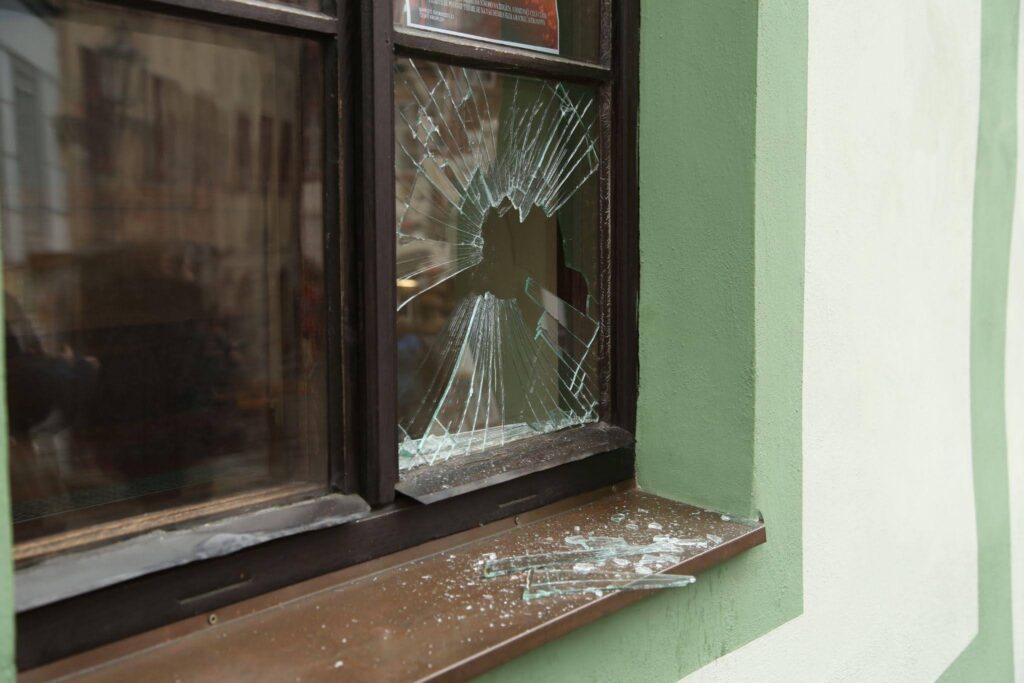
Cracks often spread outward from a visible contact point. A harder strike may break the entire pane.
Severe weather
Hail may chip or crack window glass, while strong wind may send branches or debris toward the house. Storm damage may also affect the frame.
If the frame took damage, a glass professional may need to inspect the surrounding window before recommending window glass replacement.
Thermal stress
Glass expands as it warms and contracts as it cools. Trouble may develop when one part of the pane changes temperature much faster than another.
Direct sunlight may heat one section of a window, while an overhang keeps another section cooler. A space heater aimed toward cold glass may create a similar temperature difference. These uneven changes may lead to thermal stress cracks that often begin near the edge of the pane and move inward.
Frame pressure and edge damage
A damaged or shifting frame may place uneven pressure along the edge of the glass. Installation problems may cause similar stress if the pane doesn’t fit properly in the frame.
Small chips along the edge may also weaken the glass before a larger crack appears. Later movement or temperature changes may push that weak area far enough that the crack spreads.
Why would a window crack without being hit?
A crack without an obvious impact often points toward stress. Thermal stress may develop when parts of the pane heat or cool unevenly. Previous edge damage or frame pressure may also create a weak point.
Tempered glass occasionally breaks without a visible impact due to internal imperfections, although this occurs less often than everyday impact or stress-related damage. Pressure may also affect some insulated glass units.
The location and shape of an unexplained crack may provide useful clues.
What does the crack pattern tell you?
The crack pattern may help narrow down the likely cause, although appearance alone doesn’t provide a guaranteed diagnosis.
- Starburst cracks: Lines that radiate from a visible center point often suggest an impact.
- Edge cracks: Cracks that begin near the perimeter may indicate thermal stress, prior edge damage, or frame pressure.
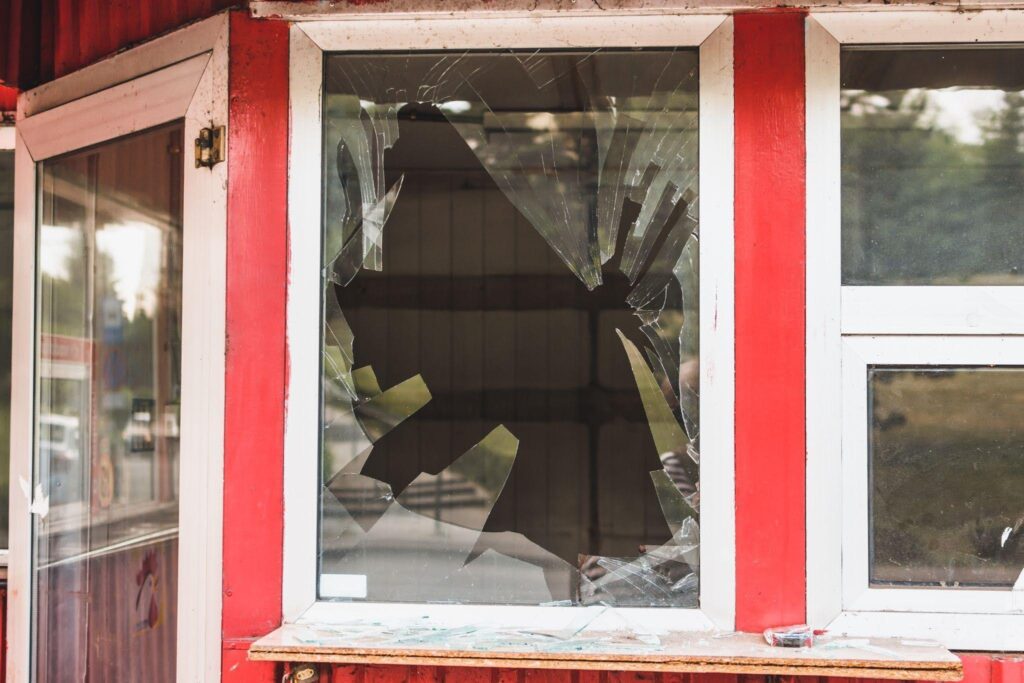
- Long cracks without a contact point: These may indicate stress rather than a direct strike.
- Tempered glass that breaks across the pane: Tempered glass usually breaks into many smaller pieces when it fails.
What should you do after a window breaks?
Keep people and pets away from loose glass. Don’t press on a cracked pane to test its strength, as additional pressure may worsen the damage.
If the pane leaves the opening exposed, secure the area and arrange service promptly. Take photos in case you file an insurance claim for broken window glass, since coverage often depends on what caused the damage and the terms of your policy.
For urgent damage, window glass repair may start with securing the opening before the permanent replacement takes place.
Does broken window glass need repair or replacement?
People often search for window glass repair after finding a crack, but a cracked pane usually needs new glass rather than a patch. Temperature changes and everyday movement may cause the crack to grow.
That doesn’t automatically mean you need a completely new window. If the sash and frame remain usable, a glass company may replace window glass within the existing window. Murray Glass handles cracked panes and insulated units through its window services in Northern Utah.
Double-pane windows require another distinction. Their panes form part of a sealed, insulated glass unit. When one pane cracks, window glass replacement often involves replacing that unit while keeping the surrounding frame when its condition allows.
How to reduce the risk of another broken window
No approach prevents every broken window, but a few practical steps may lower the risk:
- Trim branches that could strike nearby windows during storms.
- Keep high-impact activities farther from exposed glass when possible.
- Address damaged frames before they place extra pressure on the pane.
- Avoid directing concentrated heat toward very cold window glass.
- Ask about appropriate glass options in areas with greater impact risk.
If a pane has already broken, identifying the likely cause also helps with the next window glass replacement. Correcting frame pressure or another surrounding problem helps protect the new glass.
FAQ
Will a window crack keep spreading?
It might. Temperature changes and movement may add stress at the end of an existing crack. Avoid pressing on the pane, and arrange an evaluation rather than assuming the crack will stay the same size.
Is a cracked window dangerous?
A cracked pane may become less stable as damage spreads. Keep people away from loose glass and arrange prompt service if the break leaves an opening exposed.
Do I need to replace the whole window when the glass breaks?
Not always. If the existing frame and sash remain usable, a glass company may replace window glass without removing the entire window. The surrounding components determine the appropriate scope.
What happens when one pane of a double-pane window breaks?
A double-pane window uses a sealed, insulated glass unit. If one pane cracks, the project usually requires a new insulated unit rather than one independent sheet. This approach may preserve the existing frame.
Does homeowners’ insurance cover broken window glass?
Coverage depends on the cause and your policy. A covered event may qualify, while normal wear often doesn’t. Document the damage and check with your insurer before filing a claim.
Get help with broken window glass from Murray Glass
A cracked pane doesn’t always mean you need a completely new window. Murray Glass will assess the damaged glass and the surrounding window, then explain whether replacing the window glass is appropriate for the project.
If you need to replace window glass at your Utah home or business, contact Murray Glass for a free estimate. We’ll explain the scope before the work starts and help you plan the right next step.