
To keep windows secure, start with one that closes fully and a lock that works as intended. Add a secondary stop when the window style allows it. Address damaged glass or weakened framing, and consider laminated glass or security film for greater impact resistance. Keep emergency escape in mind with every upgrade.
Start with the window itself
Window security starts with the opening you already have. The lock needs to hold the sash firmly while the frame supports the hardware. The glass should also fit the level of protection you want.
The most useful window security tips begin with one question: How would someone most likely get through this window? Once you identify the weak point, choose a window upgrade that addresses the problem rather than adding a product that may not help. That gives you a clearer way to think about how to secure windows.
Start with the windows that are easiest to reach
When you think about how to secure windows, begin with the openings someone could approach easily. Ground-floor windows usually deserve the first look. Basement windows may also sit close enough to the ground for easy access. An upper-story window may still need attention when a porch roof or nearby structure puts it within reach.
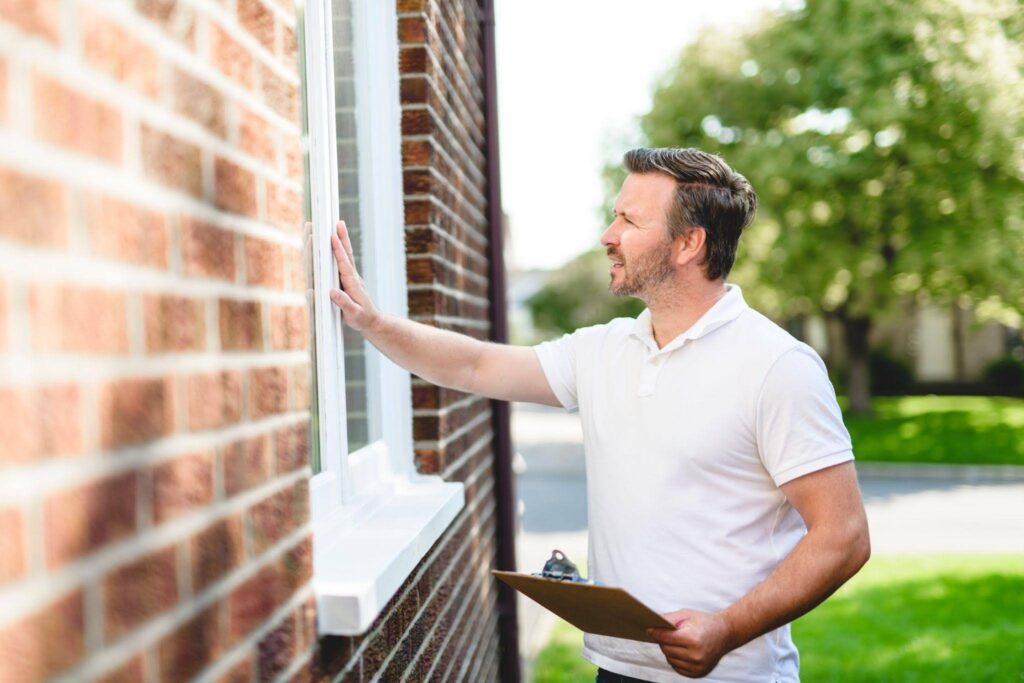
Walk around the home and check each accessible opening from the outside. Ask whether the window closes completely and whether the lock engages without forcing it. Then consider what would happen if someone struck the pane. Prioritizing accessible openings helps you focus on the places that present the clearest opportunity for entry.
Make sure every window closes and locks correctly
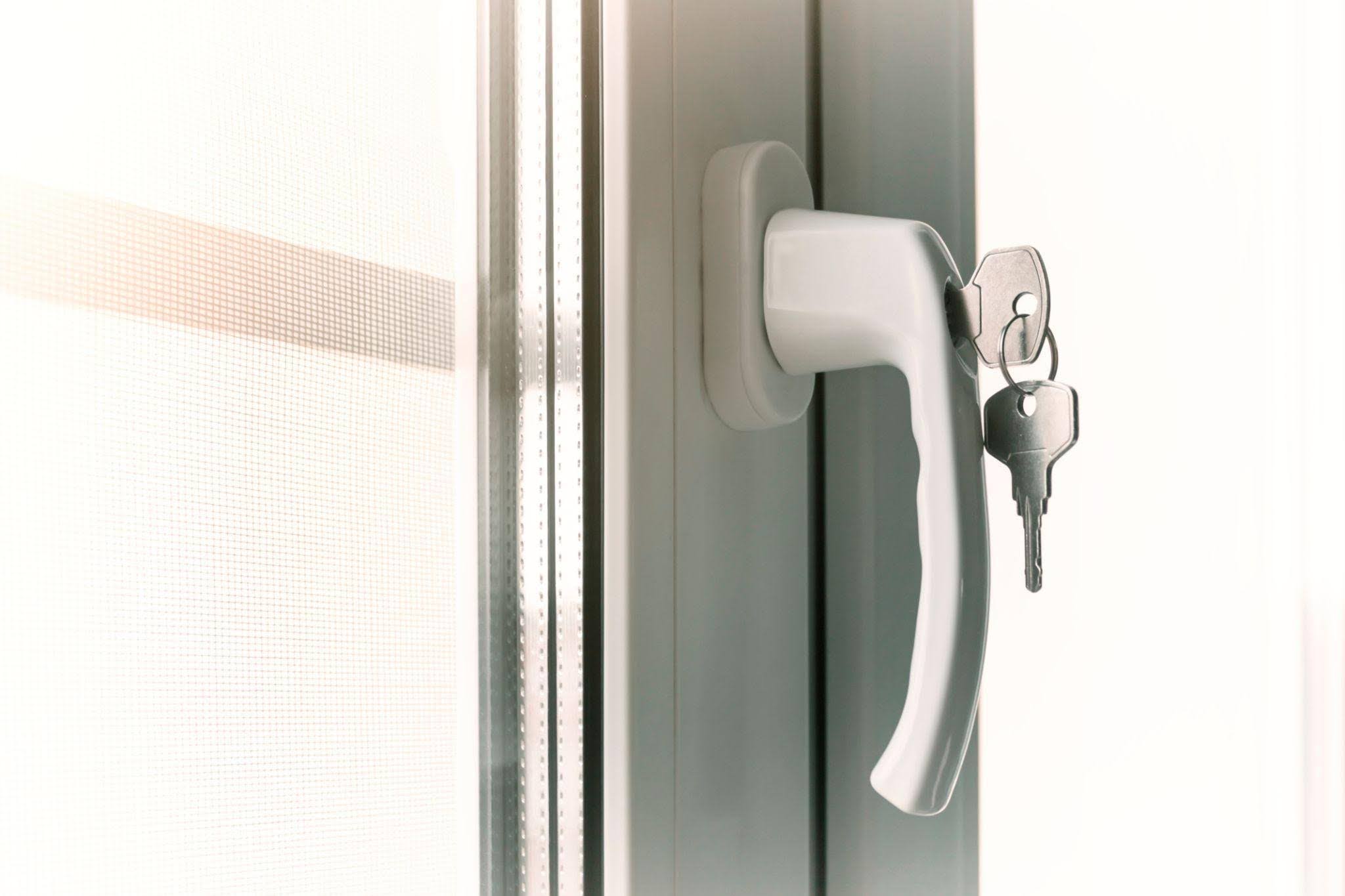
A working lock provides the first physical barrier on an operable window. Close the sash and make sure the lock engages fully and holds the window in place.
Watch for a few warning signs:
- The lock feels loose or shifts under pressure.
- The sash moves after you engage the lock.
- The window no longer closes evenly.
- Hardware pulls away from the frame.
If the window doesn’t close correctly, another device may only cover up the problem. Repair worn hardware or alignment issues first.
Match secondary security to the window style
The way a window opens determines which secondary measure makes sense. For single-hung or double-hung windows, a sash stop or compatible pin may limit movement. Sliding windows often use a track-mounted lock or bar that restricts horizontal travel. Casement windows rely more heavily on their locking hardware and crank mechanism.
Fixed picture windows don’t open, so another lock won’t change the security of the opening. The focus shifts toward the glass and what happens after an impact.
These window security tips work best when the device matches the window and still allows normal use.
Check the frame and hardware for weak points
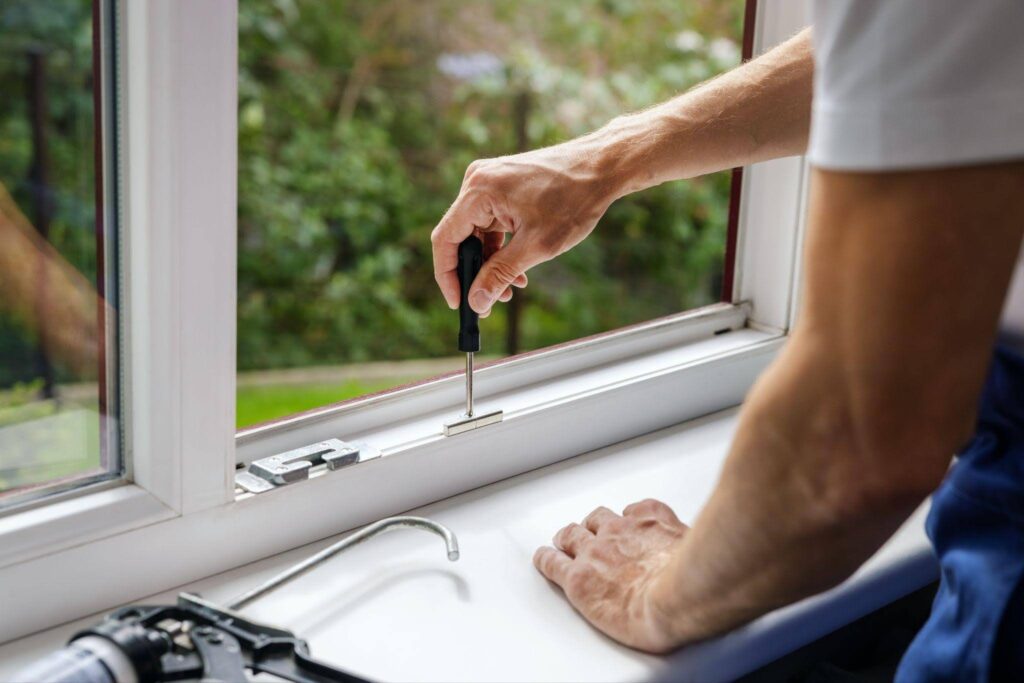
Even a strong lock won’t do much if the surrounding frame or hardware has started to fail. Loose latches or poor alignment may make the window easier to force open, so check whether the sash sits correctly and the lock stays firmly in place.
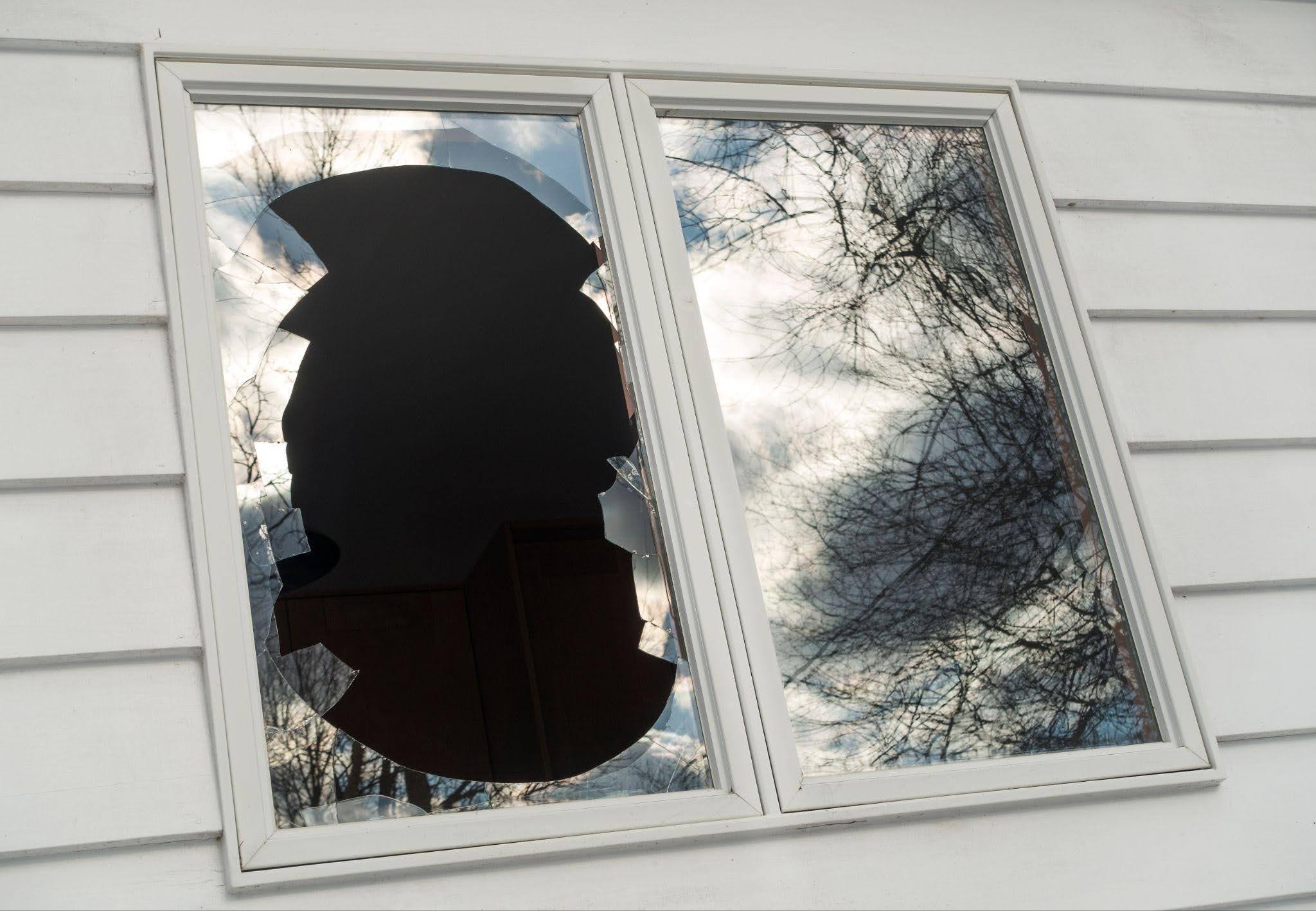
Cracked or damaged glass also deserves attention. In many cases, residential glass repair may restore the window without replacing the entire frame when the existing opening remains in good condition.
Understand which glass offers more security
Homeowners often hear the term “stronger glass” and assume that every safety-glass option provides the same protection. Tempered glass and laminated glass behave differently after impact, so that difference deserves attention when you’re learning how to secure windows.
Tempered glass uses heat treatment to increase strength. When it fails, it breaks into relatively small pieces instead of large, sharp shards. That break pattern improves safety, but it doesn’t leave the same retained barrier as laminated glass.
Laminated glass bonds layers of glass around an interlayer. When the pane cracks, the interlayer helps hold broken pieces together, making it harder to clear a large opening quickly. That retained barrier is one reason laminated glazing may be used where added security performance is a concern.
No residential glass makes a window impossible to enter, but choosing the right window glass may add resistance while still fitting the existing opening and the way the window needs to function.
Know what window security film actually does
Security film often appears in discussions about window protection, but film doesn’t make a pane unbreakable. A strong impact may still crack the glass.
The film helps hold broken pieces together so the pane doesn’t immediately fall away. That retained layer may make it harder to clear an opening quickly. Installation also affects performance, especially around the perimeter.
Treat security film and laminated glass as different solutions. Ask what the product does after impact and how the installer plans to integrate it with the existing window.
Don’t overlook safe emergency escape
Security should make entry from outside more difficult without trapping someone inside. Pay special attention to bars or other restrictions on windows that may serve as emergency exits.
Security bars should provide added protection without making it harder to leave the home during an emergency. On windows that may serve as an exit, choose window guards that open easily from inside so the added security doesn’t interfere with escape.
Apply the same thinking to stops and other restrictions. Before adding a device, make sure someone inside could still use that window quickly during an emergency.
Add detection as another layer of security
Physical resistance and detection solve different problems. A window sensor may alert you when someone opens the sash. A glass-break sensor listens for activity associated with breaking glass. Neither strengthens the window itself.
Think of detection as another layer after you address the opening itself. A sensor doesn’t replace a working lock or change how the glass responds to impact. That distinction keeps window security tips practical.
Know when window glass needs professional attention
Some security concerns point back to the glass itself. Existing cracks weaken the pane, while questions about laminated glass may call for professional guidance.
Replacing the entire window isn’t always necessary. When the frame and sash still work well, replacing only the glass may address the problem. The right approach depends on which part of the opening creates the weakness.
A professional should also explain what a glass upgrade will and won’t do. No single product provides complete protection.
FAQ
What is the best way to secure a window from burglars?
Start with a window that closes fully and a primary lock that holds firmly. Then address the specific weakness. A secondary stop restricts movement, while laminated glass or security film addresses impact.
Is laminated glass better than tempered glass for security?
Laminated glass usually offers greater resistance to opening after impact because its interlayer helps hold broken glass in place. Tempered glass focuses more on safer breakage and doesn’t leave the same retained barrier after failure.
Does window security film stop break-ins?
Security film doesn’t guarantee that someone won’t enter. It helps hold broken glass together, which may slow an attempt to clear the opening. Product type and installation both influence performance.
Do I need to replace the whole window to improve security?
Not always. The problem may involve the glass or hardware rather than the entire window. A professional should inspect the frame and explain whether glass replacement or another repair addresses the concern.
How do I make a sliding window more secure?
Start with a latch that works correctly. A compatible track lock or bar may limit how far the panel moves. Choose hardware that won’t interfere with emergency escape, where the window serves as an exit.
Choose security upgrades that address the real weakness with Murray Glass
The best approach starts with the opening you already have. Check how the window closes and whether the lock holds. Then decide whether the frame or glass creates another concern and choose the improvement that addresses it.
Murray Glass helps homeowners evaluate damaged window glass and compare replacement options. If you have cracked glass or want to discuss a different glass type, contact Murray Glass to request an estimate and get clear guidance on the next step.