
Choosing between a framed shower door and a frameless shower door comes down to your bathroom layout, style goals, and budget. The biggest difference is structure. Frames add support and cost control, while frameless designs emphasize openness and a high-end look. This guide breaks down the difference between framed vs. frameless shower doors so you know you made the right choice.
Choose the shower door style that fits your bathroom best
A shower upgrade changes the entire feel of your bathroom. The right glass shower door makes the space look brighter, cleaner, and more finished, while the wrong choice feels cramped or mismatched. If you’re weighing framed vs. frameless shower doors, you’re not alone.
In this guide, you’ll learn about the key differences, what to expect in terms of maintenance and durability, and how to choose the best option for your renovation goals.
What a framed or frameless shower door really means
At first glance, the difference seems straightforward. One is framed in metal, while the other isn’t. That choice shapes more than appearance, because it affects how the door operates, how well it contains water, and what the installation requires for long-term stability.
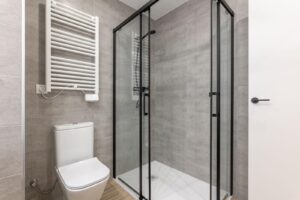
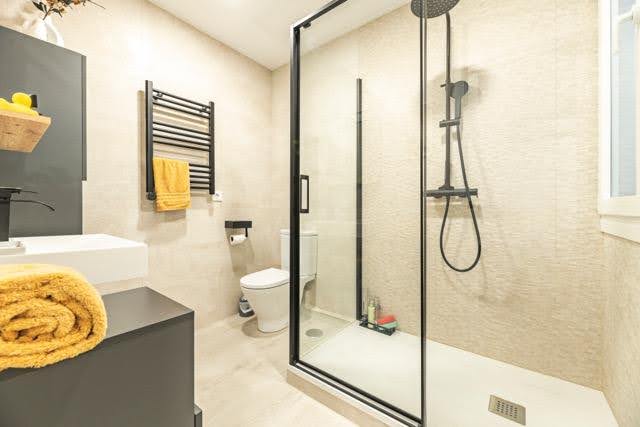
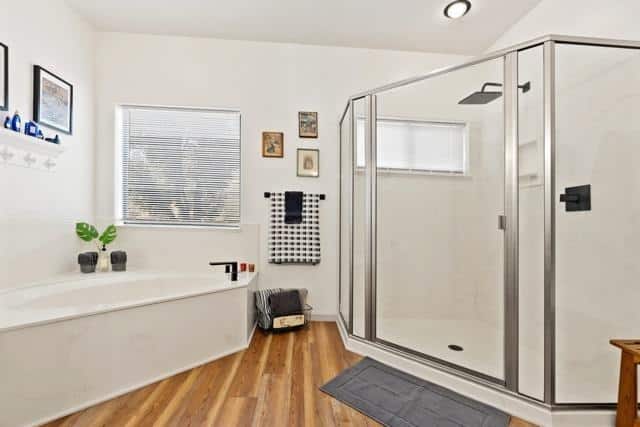
A framed shower door uses metal framing around the glass panels for added structure. That frame improves rigidity and helps support thinner glass. It also creates more built-in sealing surfaces, which some homeowners prefer when the goal is to keep water tightly contained.
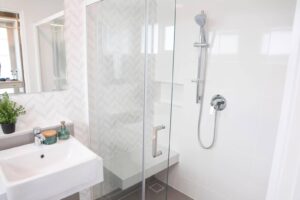
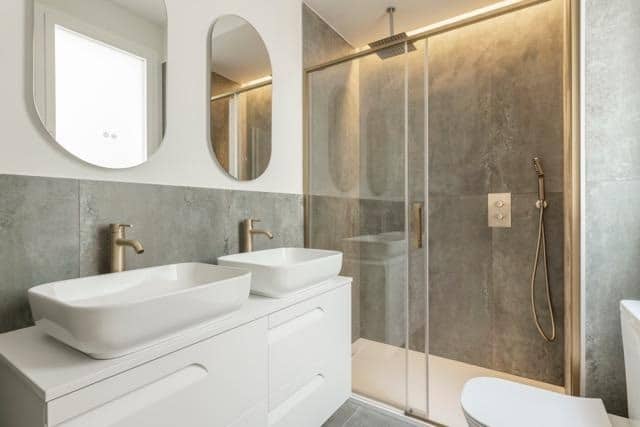
A frameless shower door relies on thicker glass and minimal hardware, rather than full perimeter framing. The design feels open and modern because there’s less visual interruption. Many homeowners choose this option when they want the shower tile and finishes to take center stage.
The best choice is the one that matches your layout and daily use, not the one that looks best in a photo.
How to choose the right door for your bathroom
Use this quick process to narrow your decision without overthinking it.
Start with your layout and clearance
If your bathroom is tight, a sliding configuration helps. If you have room for a door swing, pivot, or hinged options may feel more premium. Both door styles work, but the layout often determines what feels comfortable on a day-to-day basis.
Decide what you want the shower to “feel” like
If you want the shower to blend into the room and make the bathroom look larger, a frameless shower door typically delivers that open look. If you prefer a more defined shower boundary, framing provides a clearer visual edge.
Consider water containment and splash habits
Families with kids or high-use bathrooms often care most about sealing and keeping water off the floor. A framed shower door offers more built-in sealing, depending on the configuration.
Match your hardware to the room
Think about finishes and consistency. Your door hardware should coordinate with faucets, cabinet pulls, and lighting. This detail matters in both styles, but it’s especially noticeable when you’re choosing between framed vs. frameless shower doors.
Think about cleaning and maintenance
Frameless doors have fewer metal edges to wipe down, but they still need regular cleaning to prevent water spotting. Framed doors collect buildup along tracks or frame edges if you skip routine maintenance.
Balance the budget with long-term value
A frameless door often costs more because it uses thicker glass and precision hardware. A framed option is a smart choice when you want a polished upgrade without breaking the bank.
Benefits of choosing the right door style
A clear decision now saves you frustration later. Here’s what the right fit helps you achieve.
- A better-looking bathroom: The right door supports the style you’re aiming for, whether that’s modern and open or classic and defined.
- Fewer water issues: The right configuration and sealing approach reduce leaks and splash-out.
- Easier upkeep: When you match the door style to your lifestyle, cleaning becomes simpler and more consistent.
- Improved daily comfort: Door swing, clearance, and entry width all affect how “easy” the shower feels every day.
- A more cohesive renovation: Comparing framed vs frameless shower doors helps you choose a door that complements your tile, fixtures, and layout, rather than fighting against them.
Common mistakes to avoid
Avoid these common decision traps before you place an order or make an installation.
- Choosing based on looks alone: A beautiful door that doesn’t fit your clearance or splash habits becomes a daily annoyance.
- Ignoring floor slope and drainage: Even the best door struggles if water runs toward the opening.
- Skipping hardware quality: Hinges, handles, and seals matter, especially in high-use bathrooms.
- Assuming “frameless” means “no maintenance”: A frameless door still needs routine cleaning to prevent water spots and buildup.
- Overlooking cleaning access: If you choose a track system, make sure you can clean it easily.
- Not planning for the right glass thickness and support: Your installer should recommend the best options for safety and stability.
What to know before choosing framed or frameless
- Framed glass shower doors often use thinner glass (commonly 3/16″ or 1/4″) because the frame provides support.
- Frameless glass shower doors typically use thicker glass (often 3/8″ or 1/2″) for stability and to achieve an open, modern look.
- Framed doors need more detailed cleaning around frame edges and (if sliding) tracks, while frameless doors reduce the buildup in those frame “buildup zones.”
- Frameless installations usually cost more due to thicker glass, stronger hardware, and tighter tolerances.
Simple tools that keep shower doors looking new
You don’t need special products to keep a shower door looking sharp, but the right basics help.
- A small shower squeegee for daily water removal
- Microfiber cloths for streak-free wiping
- Non-abrasive cleaner safe for bathroom glass
- A soft brush for seals and corners
- Optional protective treatment approved for shower glass, especially in hard water areas
FAQs
Is a frameless shower door harder to keep clean?
Not usually. A frameless door has fewer metal edges to trap grime, but the glass still needs consistent care. If you squeegee after use and clean weekly, you’ll prevent most spotting and soap film before it becomes stubborn buildup.
Does a framed shower door prevent leaks better?
A framed shower door provides more built-in sealing surfaces, which may help reduce splash-out, depending on the layout. Proper installation, alignment, and door sweep condition matter as much as the frame when it comes to water control.
Which option works better for small bathrooms?
Many homeowners opt for a frameless shower door in small bathrooms because it keeps sightlines open, making the room feel larger. That said, sliding configurations and smart placement matter more than the frame style alone.
What should I consider most when comparing framed vs. frameless shower doors?
Start with layout and function. Then consider the look you want, your cleaning habits, and your budget. Comparing framed vs. frameless shower doors is easiest when you prioritize daily use first and aesthetics second, rather than the other way around.
Choose the right shower door with Murray Glass
The right shower door choice depends on your space and how you use it. A framed shower door offers structure and strong water containment, while a frameless shower door delivers a clean, open look that highlights your finishes.
If you’re still weighing framed vs. frameless shower doors, Murray Glass can help you compare options, measure accurately, and choose a custom solution that fits your bathroom. Contact Murray Glass for expert recommendations and to schedule your shower door project.