

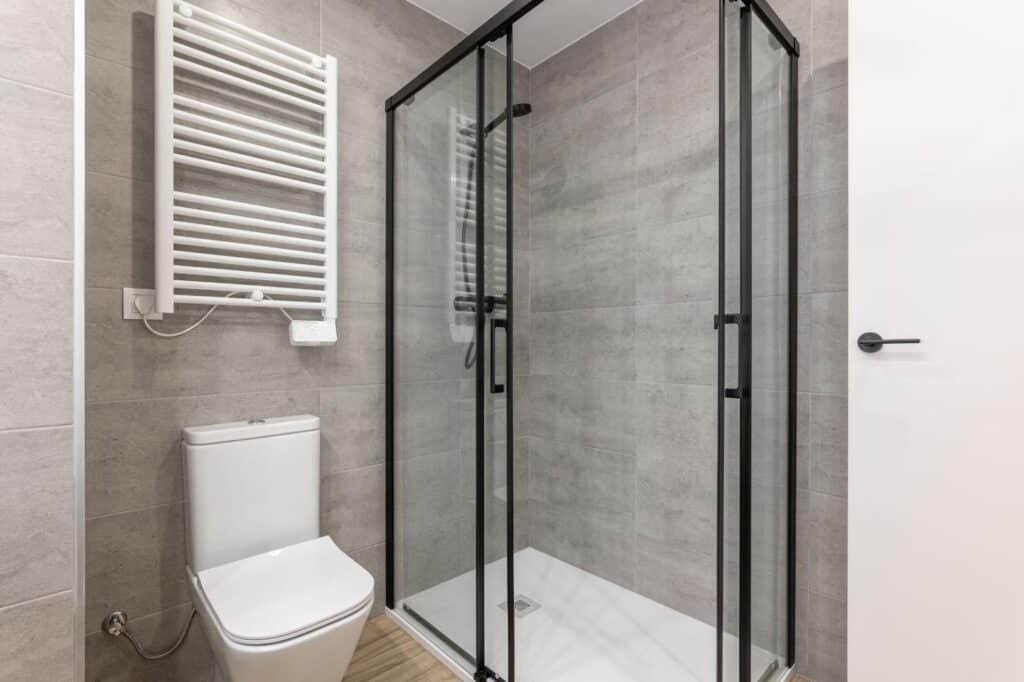
Replacing shower glass panels starts with confirming the glass type, measuring precisely, and installing safety glazing that fits your hardware and layout. Because shower glass is heavy and alignment matters, many jobs require professional help. This guide explains when glass shower door repair is enough, when glass shower door replacement is the safer choice, and what to expect.
What to do when a shower glass panel cracks
A cracked shower panel turns a daily routine into a safety concern. Even a small chip could spread, and once a crack forms, the glass fails at the worst possible time. If you’re dealing with damage, it helps to know what comes next and what you should not attempt on your own. Replacing shower glass panels requires accurate measurements, compatible hardware, and proper sealing to ensure the shower stays secure and watertight.
In this guide, you’ll learn the difference between glass shower door repair and full glass shower door replacement, the step-by-step process professionals follow, and how to keep your bathroom safe while you schedule service.
What counts as repair vs. replacement
Not every shower problem requires new glass. In many cases, glass shower door repair fixes issues like dragging, leaking, or rough movement with simple hardware adjustments, new rollers, or a replaced sweep and seals.
You typically need a glass shower door replacement when the glass is cracked, heavily chipped near an edge, shattered, or structurally compromised. Even if the door still moves, the damaged glass fails suddenly. Replacement restores safe operation, reliable water containment, and helps protect surrounding surfaces from moisture.
How shower glass panels get replaced
Replacing shower glass panels involves more than ordering a new piece of glass. The steps below reflect how professionals approach the job to ensure safety and a clean fit.
1. Make the area safe first
If the panel is cracked or chipped, keep people out of the shower. Put down a towel or protective mat outside the enclosure to catch debris, and avoid stepping barefoot near the damaged area.
2. Confirm the panel type and door configuration
Determine whether you’re dealing with a fixed panel, a hinged door panel, or a slider. Hardware type matters because the replacement glass must match hinge holes, clip placement, or track systems.
3. Measure carefully, including out-of-plumb walls
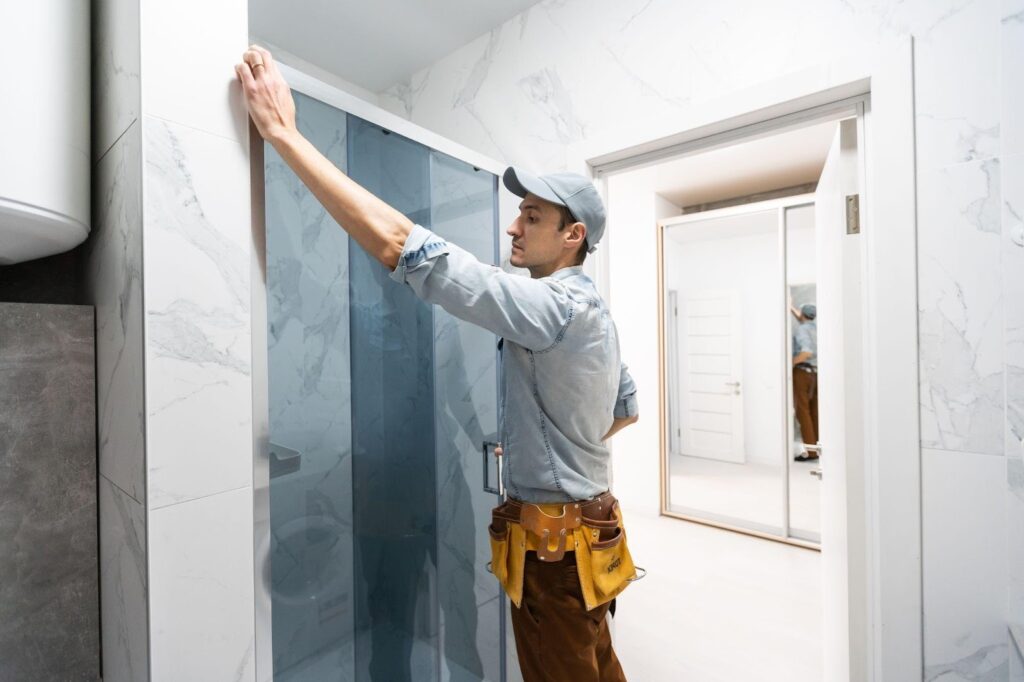
Shower walls and tile are often slightly out of square. A pro measures width and height at multiple points, checks plumb, and confirms glass thickness. Accurate measurement is critical because tempered glass can’t be resized after fabrication.
4. Choose the right glass and finish
Most shower doors use safety glass; you choose from clear, frosted, patterned, or low-iron options to suit your look. The glass must match the enclosure design and the hardware requirements.
5. Remove the damaged panel safely
Technicians support the glass before loosening the hardware. This step prevents sudden slips or additional cracking. The old panel is then removed and disposed of safely.
6. Prepare surfaces and hardware
Before installing new glass, a pro cleans mounting areas, checks anchors and brackets, and replaces worn seals or sweeps. A good prep step helps prevent leaks and alignment issues.
7. Install and align the new panel
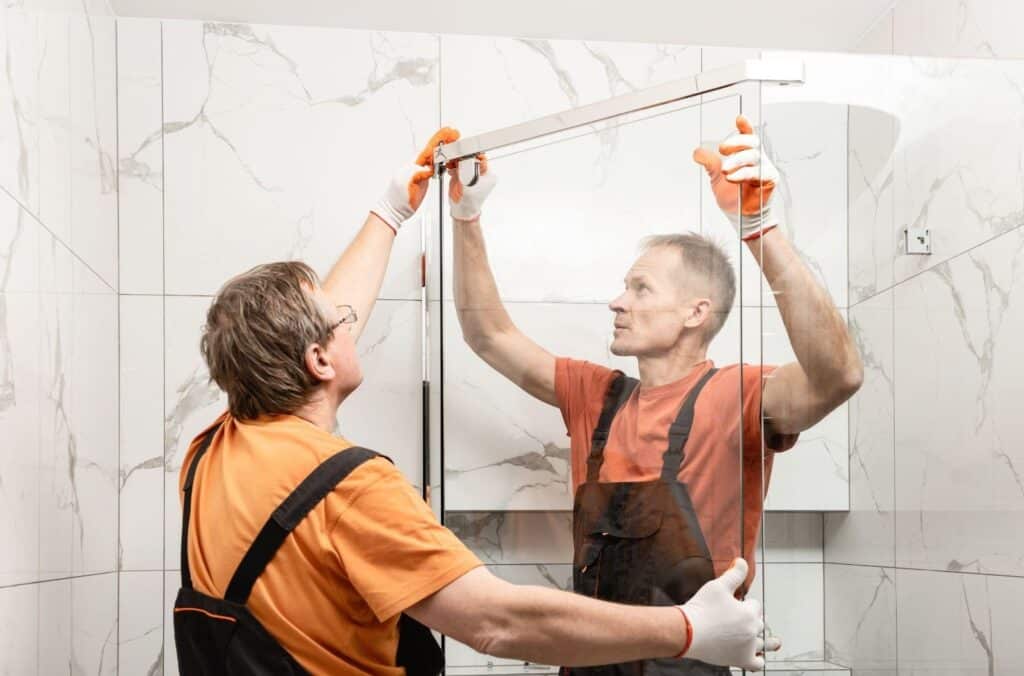
Precise alignment matters for appearance and stress control. The installer sets the spacing, ensures the panel sits plumb, and evenly secures the hinges or clips. This step is the backbone of glass shower door replacement, as improper alignment can cause rubbing, leaks, or stress fractures.
8. Seal correctly and allow proper cure time
Installers use bathroom-rated sealant where needed and allow it to cure before exposure to water. Rushing this step leads to leaks and callbacks.
9. Finish with a function check and care plan
The door should open or slide smoothly without rubbing or bumping. A final check also confirms that the seals sit correctly and that water stays where it belongs.
Benefits of replacing damaged panels quickly
- Reduces safety risk: Damaged shower glass panels fail suddenly, creating a hazard in a wet, barefoot environment.
- Restores water containment: Quick replacement helps prevent leaks that damage flooring, trim, and nearby surfaces.
- Protects hardware and alignment: Fast action reduces stress on hinges, tracks, clips, and seals caused by rubbing or misalignment.
- Keeps the bathroom usable: Prompt replacement minimizes disruption, especially if the shower is part of your main daily routine.
Common mistakes to avoid
- Handling heavy glass without proper support: Shower glass is awkward and slippery, and dropping it can cause serious injuries and additional damage.
- Measuring only once or assuming the opening is perfectly square: Small errors create gaps, leaks, and fit issues.
- Choosing the wrong glass thickness or incompatible hardware: Mismatched components lead to poor alignment and long-term stress on the panel.
- Using extra sealant to “fix” leaks: Leaks often stem from alignment or seal issues, and sealant won’t fix stress points.
- Waiting too long after a crack appears: Delays increase the chance of sudden failure and a more urgent, expensive replacement.
Data and research insights
- Tempered glass breaks into small fragments for safety. The CPSC notes tempered glass should rupture into small pieces rather than large shards.
- You can’t cut tempered glass after tempering. Cutting or drilling causes it to shatter, which is why accurate measuring is important for glass shower door replacement.
Tools and products
- You need safety gloves and protective eyewear to handle small, loose fragments safely.
- Use a microfiber cloth and a non-abrasive cleaner to clean the area without scratching surfaces.
- Use a tape measure to gather basic dimensions, while leaving the final measurements to the installer.
- Squeegee to reduce water spots and buildup on glass and seals.
- Each week, use a gentle cleaner to support smooth door movement and reduce future glass shower door repair needs.
FAQ
Can I repair the shower glass instead of replacing it?
Sometimes. If the issue involves hardware, seals, alignment, or rollers, glass shower door repair may solve the problem. If the glass is cracked, heavily chipped, or structurally compromised, you should choose replacement as the safer option.
How do I measure shower glass panels correctly?
Measure width and height at multiple points and check for out-of-plumb walls. Because openings are rarely perfectly square, accurate measuring often requires professional tools and experience. Correct measurement is essential for properly fitting shower glass panels.
How long does a glass shower door replacement take?
The on-site install often takes a few hours, but the overall timeline depends on measuring, fabrication, and glass availability. A professional will measure first, then schedule installation once the glass is ready.
What type of glass do shower doors use?
Most shower doors use safety glazing — often tempered glass — because it breaks into smaller pieces instead of large shards.
When should I call a professional for glass shower door repair?
Call when you notice chips, cracks, misalignment, dragging, leaking, or loose hardware. Early service prevents a bigger break and may reduce the scope of work.
Get your shower glass fixed safely with Murray Glass
Replacing shower glass panels is straightforward when you follow a safety-first process and get the measurements right. If your glass is cracked or chipped, don’t keep using the shower and hope it holds.
Murray Glass evaluates the damage, recommends glass shower door repair when possible, and handles full glass shower door replacement when it’s time to install a new panel. Contact Murray Glass to schedule service and restore safe, reliable use.