
Aging mirrors have a beauty all their own. Their soft patina, worn edges, and gentle imperfections add character and charm to a home. When wear turns into clouding, cracking, or fading, restoring the mirror’s clarity becomes essential. The proper techniques bring new life to a mirror while preserving its history.
From simple cleaning to complete refinishing, you have many options for restoring damaged glass and frames. Understanding these techniques — and knowing when to call a professional — ensures your mirror is both beautiful and safe to use.
Why distressed mirrors lose their clarity and structure
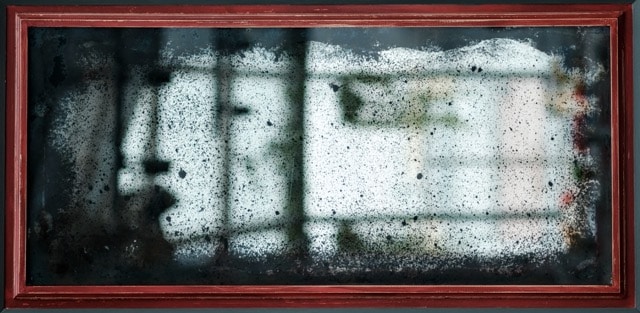
Over time, mirrors naturally show signs of age. Humidity, fluctuating temperatures, incorrect cleaning solutions, and simple wear cause deterioration. The reflective backing breaks down, the glass grows cloudy, and the frames loosen or warp.
These changes create the appearance of a mirror, but they may also signal deeper problems. Minor patina often adds charm, but spreading black spots, cracked edges, or structural instability requires action. If you ignore these problems, the damage worsens — and restoration becomes more complex.
Recognizing when distress is purely aesthetic and when it signals the need for mirror repair helps you protect the beauty and safety of the piece.
When distress adds charm — and when it signals real damage
Not every imperfection needs repair. In many cases, age-related marks add charm and character, giving a mirror the warmth and personality that only time creates. Soft fading, subtle spotting, and gentle color variations often enhance a mirror’s vintage appeal, contributing to its unique story and aesthetic.
However, not all signs of aging are harmless. When deterioration begins to interfere with the mirror’s function, stability, or overall appearance, it signals more than simple wear. Experts assess the extent of the damage, determine the safest restoration approach, and protect the mirror from further deterioration.
Cleaning techniques to refresh a distressed mirror
Before undertaking any major restoration work, begin with some home glass repair, such as a safe and gentle cleaning. Dirt and residue often exaggerate a mirror’s distressed appearance, so clearing away surface buildup helps you see its true condition.
Start by wiping the glass with a soft microfiber cloth and using a mild cleaning solution that avoids harsh chemicals or ammonia. Instead of spraying cleaner directly onto the mirror, apply it to the fabric to prevent moisture from seeping into the edges and damaging the backing.
This careful approach prepares the mirror for further refinishing and reveals the extent of any underlying issues. Sometimes, a simple cleaning is enough to brighten the surface and restore some clarity. However, if spots remain or clouding continues to obscure the reflection, your mirror will likely need more extensive mirror repair to fully restore its appearance.
Resilvering as an effective restoration method
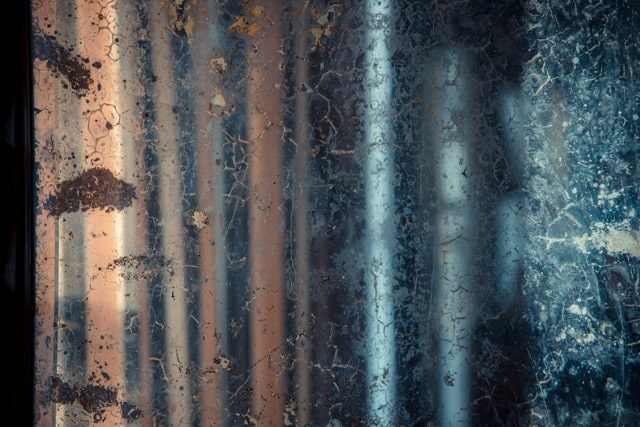
When the reflective backing deteriorates, resilvering offers one of the best ways to restore clarity. This process involves removing the damaged backing, cleaning the glass, and applying a new reflective layer to the surface.
Resilvering is ideal for:
- Widespread black spots
- Clouding caused by backing damage
- Heirloom mirrors with historical or sentimental value
Because resilvering requires precision, most homeowners rely on professionals rather than attempting to do home glass repair themselves. The process demands careful handling and specialized tools that could easily damage the mirror or frame.
Repairing scratches, chips, and surface damage
Surface scratches and chips make a distressed mirror look more worn than it truly is, but you can often correct these issues without replacing the mirror.
Professionals use polishing compounds, fine abrasives, and glass fillers to reduce the appearance of scratches and shallow chips. The goal is to restore smoothness and minimize distortion. In some cases, do-it-yourself kits work for minor scratches, but more serious damage requires expert mirror repair.
Because aged glass is more delicate than new glass, attempting repairs without proper tools may worsen the damage — a risk best avoided.
Restoring and refinishing mirror frames
Many problems attributed to a distressed mirror actually come from deteriorating frames. Wooden and metal frames naturally weaken over time. Warping, cracks, loose joints, and faded finishes give the entire mirror a damaged appearance.
Frame restoration techniques include:
- Sanding and repainting or re-staining
- Re-securing loose joints
- Repairing carvings or trim
- Replacing damaged sections with matching materials
Pairing frame refinishing with mirror repair creates a fully restored piece that preserves both beauty and function.
When replacing the glass is the best option
In some cases, a mirror is simply too damaged to repair. Deep cracks, extensive clouding, or broken sections compromise both appearance and safety, making replacement the most practical solution.
Even when replacement is necessary, the goal remains the same — restore clarity and stability while honoring the mirror’s original design. Home glass repair may be limited in what you are capable of yourself, while professional technicians cut new glass that mirrors the original in shape, edge finishing, thickness, and reflective tone, ensuring the replacement blends seamlessly with the existing frame.
Choosing to replace the glass doesn’t erase the personality or history of a mirror. Instead, it allows you to preserve the frame, craftsmanship, and overall aesthetic while giving the piece renewed function and longevity.
DIY refinishing vs. professional repair — what to know
Some minor tasks are perfectly safe to handle on your own. You can often manage light surface cleaning, simple frame touch-ups, and repainting non-delicate materials without professional assistance.
Any structural issues, deep scratches, deteriorating backing, or unstable glass should be left to mirror repair specialists. Antique and vintage mirrors require careful handling, as their materials are more delicate and susceptible to damage.
Because older glass is brittle, fragile, and unpredictable, relying on expert help ensures your mirror is restored safely, accurately, and without risking irreversible harm.
Restore beauty and longevity to your distressed mirror with Murray Glass
With the right techniques, even heavily worn mirrors regain their brilliance. From cleaning and resilvering to structural repairs and full refinishing, each restoration method plays a role in preserving beauty and function.
Whether your mirror needs minor touch-ups or extensive work, professional technicians repair it safely and accurately. Murray Glass offers expert glass repair services specifically designed for vintage mirrors, heirlooms, and custom designs.
If you’re ready to restore clarity and charm to your mirrors, contact Murray Glass for precision, care, and craftsmanship you can trust.