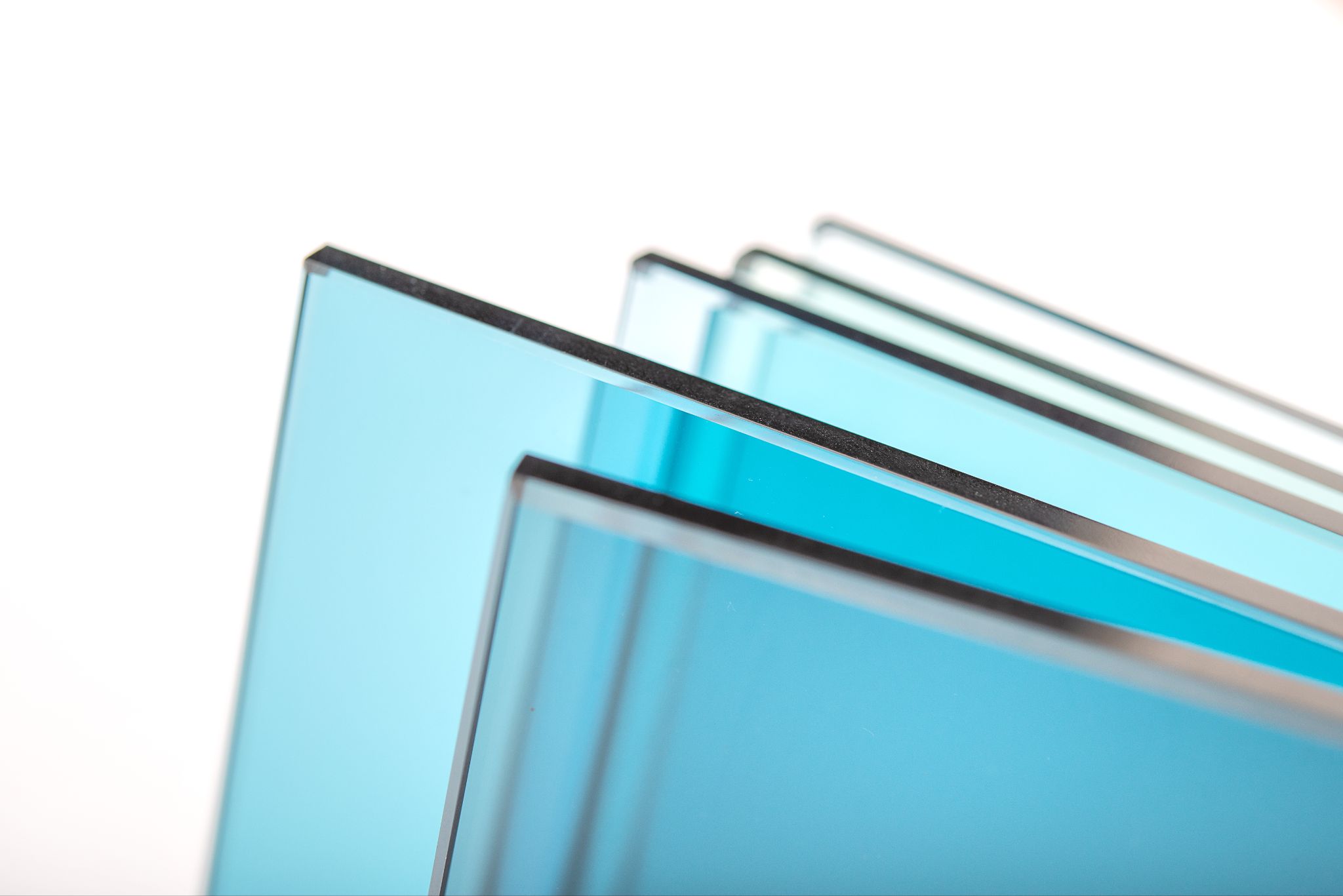

Glass products differ in how they look and perform. Tempered glass handles everyday impact differently from laminated glass, which holds fragments together after breakage. Frosted glass offers privacy, while Low-E coatings and insulated units improve window performance. The right choice depends on where the glass goes and what you need it to do.
Different glass types for different spaces
A shower door and a living room window may look similar, but they face very different demands. One needs to withstand accidental impacts, while the other helps maintain comfortable indoor temperatures through Utah’s changing seasons. Decorative glass introduces another consideration: how much light you want without giving up privacy.
With so many types of glass available, it’s easy to confuse a surface finish with a safety treatment or a window construction. Whether you’re planning a custom glass project or replacing a damaged panel, this guide explains the main options, where they work best, and what to consider before ordering.
What are the main types of glass?
Manufacturers change glass with heat treatment and layering, as well as coatings and finishes. These categories often overlap; one window might combine safety glazing with heat-control coatings and insulated construction.
Standard and safety glass
- Annealed glass. Manufacturers cool standard glass slowly to relieve stress. It suits picture frames and some cabinet inserts but breaks into large, sharp pieces. Avoid it where codes require safety glazing.
- Tempered glass. Heat treatment strengthens the pane, which breaks into small fragments after failure. Shower doors commonly use it. Fabricators must finish cutting and drilling before tempering.
- Laminated glass. An interlayer bonds glass sheets and holds fragments together after impact. Some constructions improve security or sound reduction. The panes may still crack, and ordinary laminated products don’t provide ballistic protection.
- Heat-strengthened glass. Controlled heating increases thermal stress resistance in architectural applications. It doesn’t meet impact-safety requirements on its own, and it breaks differently from fully tempered products.
Decorative and privacy glass
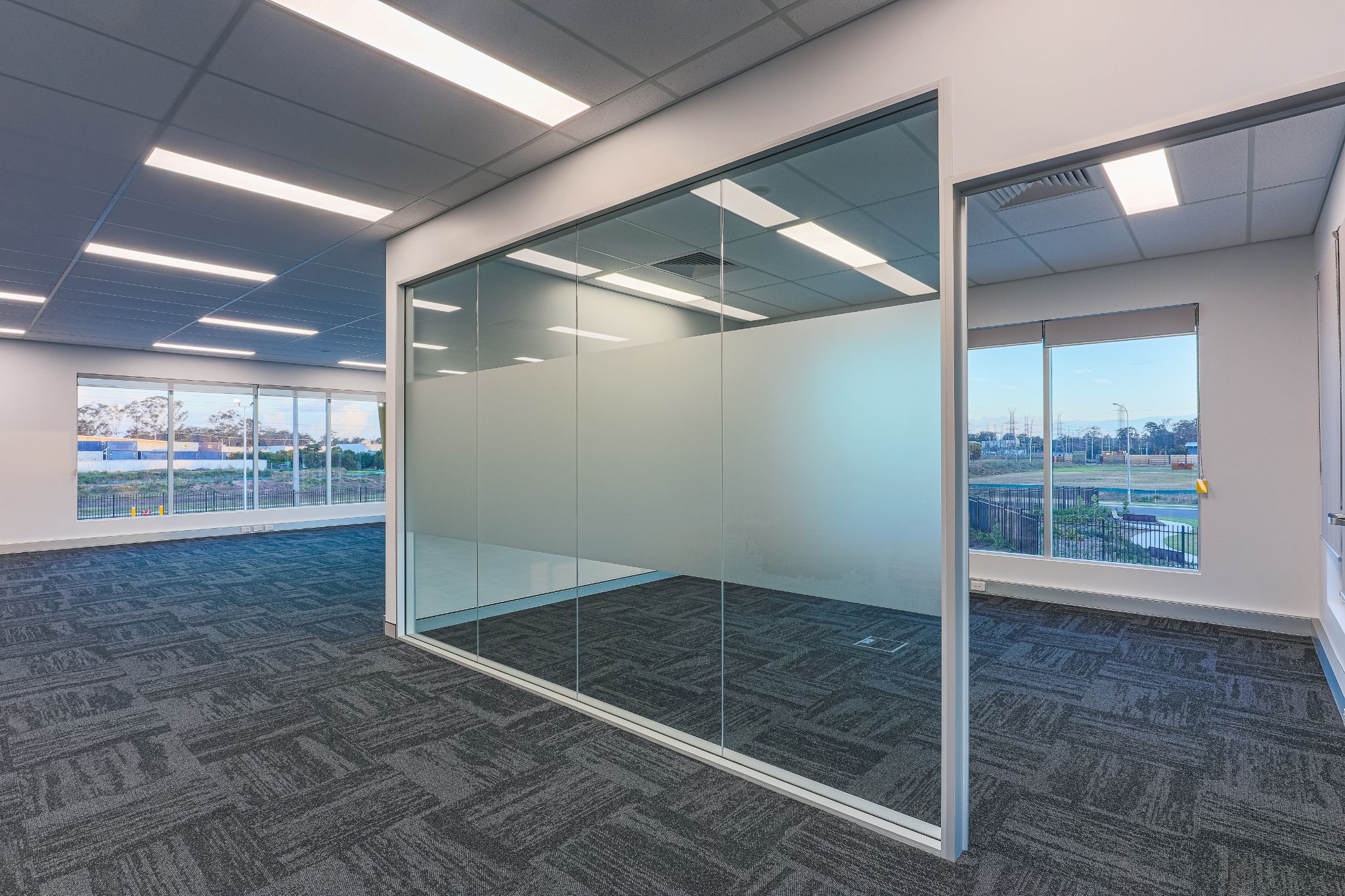
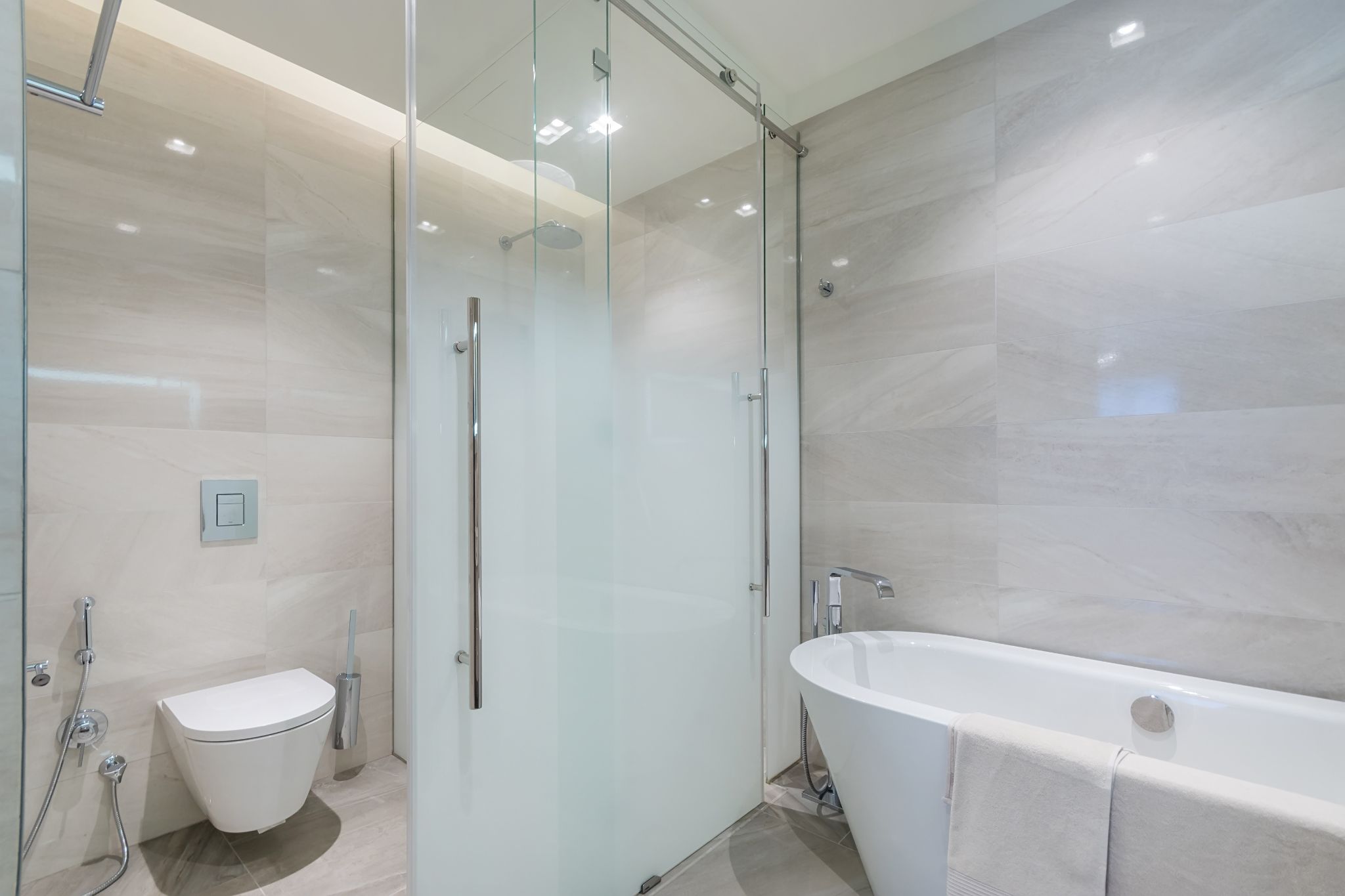
- Frosted glass. Etching or sandblasting blurs the view while transmitting light. Satin finishes suit bathrooms and offices, though nearby silhouettes may remain visible.
- Textured or patterned glass. Surface patterns distort visibility. Reeded and rain finishes suit cabinet inserts or showers, though grooves may need extra cleaning.
- Tinted glass. Color within the pane absorbs light and reduces glare. Darker tints also limit daylight without guaranteeing nighttime privacy.
- Reflective glass. A metallic coating reflects sunlight for solar control and a distinctive commercial exterior. Bright interior lighting may undermine daytime privacy after dark.
- Low-iron glass. Lower iron content reduces green coloration, giving display cases and shower panels clearer views.
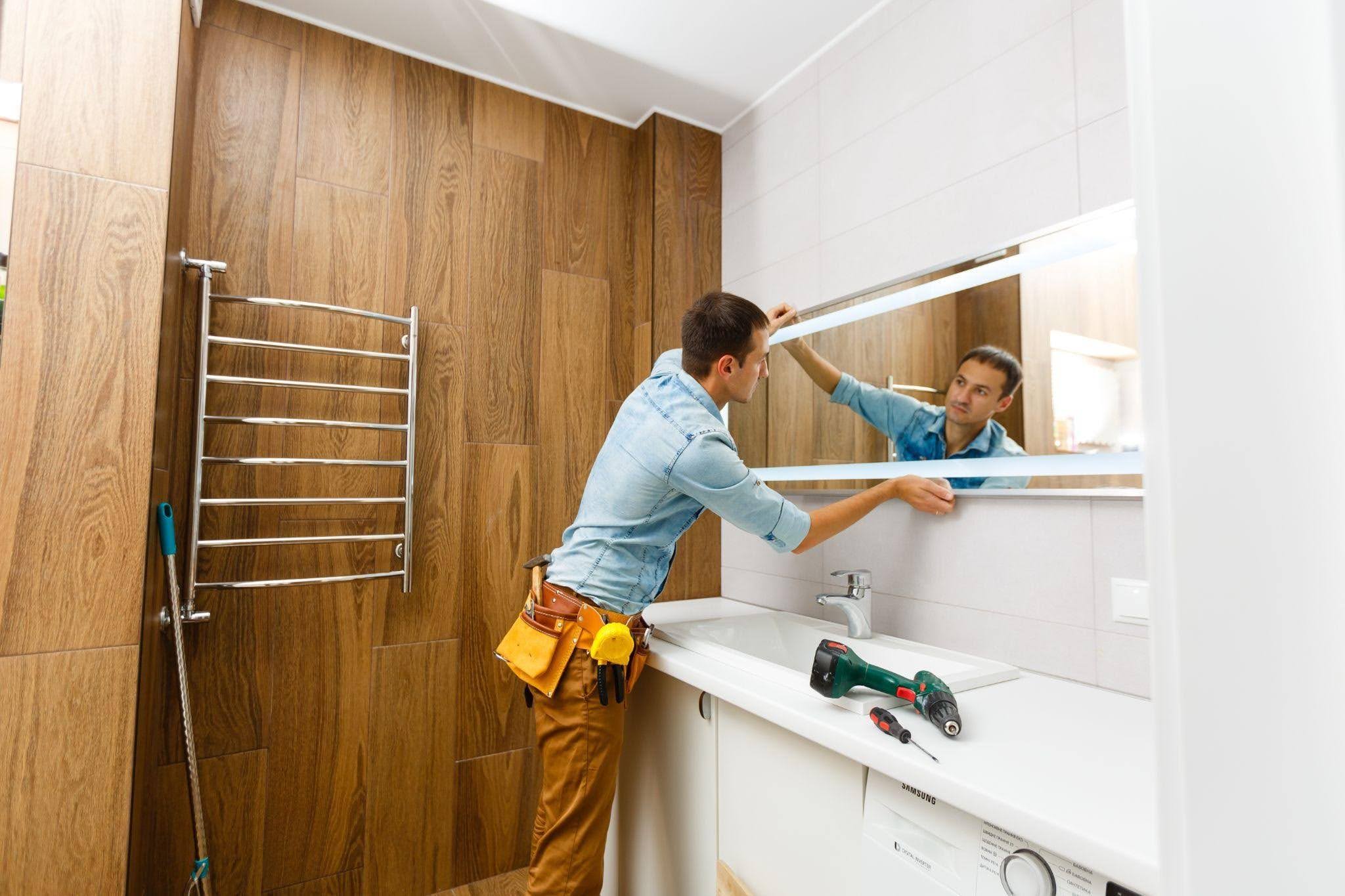
- Mirrored glass. A reflective backing creates mirrors on bathroom walls or decorative walls. Moisture and harsh cleaners may damage that backing.
- Back-painted glass. A colored backing creates opaque backsplashes or decorative panels. Installers need adhesives that won’t harm the finish.
Energy-efficient glass
- Low-E glass. A thin coating reduces radiant heat transfer. Different formulations manage solar gain differently, making climate and window orientation relevant.
- Insulated glass. A sealed space between multiple panes reduces heat transfer. Insulated units often include Low-E coatings. Failed seals allow moisture between panes, where cleaning won’t reach it.
Specialty and commercial glass
- Spandrel glass. Opaque spandrel panels conceal structural features in commercial facades. The name doesn’t indicate strength.
- Fire-rated glass. Tested glazing assemblies resist fire for specified periods. Glass and framing must meet the project’s requirements.
Other options include acoustic glazing for noise reduction and smart glass for switchable privacy.

How to choose the right glass
Start with the location rather than a preferred appearance. The opening and its everyday use will narrow your choices.
- Check safety requirements. Shower doors and many door openings require glazing that meets applicable impact standards. The Consumer Product Safety Commission’s architectural glazing guidance explains federal requirements for several door and enclosure products.
- Decide what the glass needs to accomplish. Consider whether privacy is the priority or whether the opening needs better thermal performance or post-breakage retention. A laminated panel may suit a security-focused window, while a patterned finish may serve a bathroom better.
- Consider the existing opening. Existing frames and hardware influence what fits, especially with unusually large panels.
- Review samples and specifications. Look through the privacy finishes under different lighting conditions. Check performance ratings rather than relying on appearance alone.
Ask the glass professional to explain why a recommendation fits the application. That conversation also helps you distinguish necessary safety features from optional decorative upgrades.
Best glass for common applications
The right product often combines several characteristics. Use these examples as a starting point. Always check local code requirements.
|
Project |
Options to consider |
|
Shower doors |
Safety glazing with clear, textured, or frosted glass finishes |
|
Home windows |
Insulated units with appropriate Low-E coatings |
|
Storefronts |
Tempered or laminated safety glazing, as required |
|
Office partitions |
Safety glazing with privacy or acoustic features |
|
Cabinet inserts |
Clear or patterned panels, subject to location requirements |
|
Display cases |
Low-iron glass when clarity is a priority |
A shower design might combine tempered glass with a frosted finish for added privacy. The finish you choose for your glass shower doors also affects how noticeable water spots appear and how much cleaning the surface requires.
Frosted glass also suits office partitions where natural light and visual privacy both help. For exterior windows, consider the direction they face. A west-facing room that gets hot in summer may benefit from different solar-control characteristics than a shaded north-facing room.
Benefits of choosing the right glass
A suitable glass selection improves how the space works every day. Safety glazing addresses human-impact risks in vulnerable locations. Privacy finishes let daylight reach a room while limiting direct views. Appropriate window coatings help reduce unwanted heat transfer, while the right decorative surface complements the space without creating unreasonable maintenance demands.
These benefits depend on the product and installation, so review the intended use before comparing upgrades.
Common mistakes to avoid
A few assumptions often lead to disappointing results:
- Treating strength as security. A strong pane may still leave an opening exposed after it breaks.
- Expecting complete privacy. Test samples with lighting on both sides, especially for bathrooms.
- Ignoring cleaning needs. Deep textures may collect residue where water regularly hits the surface.
- Assuming thicker always means safer. Impact certification and support conditions also influence suitability.
- Confusing coatings with pane count. A Low-E coating and a double-pane unit describe different features that work together.
What affects glass performance and cost?
The estimate depends on dimensions and the product’s construction. Specialty coatings and custom fabrication may increase cost, particularly with unusual shapes. Hardware or frame repairs also change the scope.
For windows, the Department of Energy’s window ratings guidance explains how to evaluate thermal performance. Compare the whole window’s U-factor and solar heat gain coefficient when energy efficiency is a priority.
When damage affects only the pane or sealed unit, professional glass repair may preserve the existing sound frame. A damaged frame may require more extensive replacement work.
Tools for comparing glass options
Bring photos and approximate opening dimensions to the initial conversation. Ask to see physical samples for privacy finishes, and review product ratings for safety or energy performance. A written estimate should identify the proposed glass and clarify whether it includes frame work or removal of the old panel.
Frequently asked questions
What is the strongest type of glass?
Strength depends on the force and application. Heat treatment improves resistance to certain loads, while laminated construction helps retain fragments after impact. The best option depends on which performance you actually need.
What kinds of glass qualify as safety glass?
Properly certified tempered and laminated products commonly meet safety-glazing requirements. Manufacturers test specific products against applicable impact standards. A decorative finish or increased thickness alone doesn’t establish compliance.
Which is more expensive: tempered or laminated glass?
Laminated products often cost extra because manufacturing requires multiple layers and an interlayer. Thickness and dimensions also affect the quote. Compare the specifications for your actual opening rather than relying on a broad price estimate.
Does laminated glass have UV protection?
Many laminated interlayers block substantial ultraviolet radiation, which helps protect interior furnishings from some sunlight-related fading. Performance varies by product, so check the manufacturer’s specifications before selecting a glazing system for UV control.
Can you see through frosted bathroom glass?
The finish scatters light and obscures details, but someone standing close to the pane may still create a visible silhouette. Test the finish with lights on inside the bathroom before choosing it for a privacy-sensitive window.
What is Low-E glass used for?
Low-E coatings reduce radiant heat transfer through windows. Different coatings manage solar gain differently, and manufacturers often pair them with insulated units. Look at the complete window’s ratings when comparing products.
Are glass shower doors tempered glass?
Many shower doors use tempered safety glazing. Federal standards cover shower enclosures, and qualifying laminated configurations may also meet applicable requirements. A glass professional will match the glazing and hardware to the design.
Should I replace the glass or the whole window?
If the frame and sash remain sound, replacing the damaged pane or failed insulated unit may solve the problem. Extensive frame damage or ongoing operational issues may justify replacing the entire window instead.
Find the right glass with Murray Glass
Different types of glass serve different needs, and the best choice depends on how you use the space. Whether you’re updating a shower enclosure or replacing a foggy window, Murray Glass will review the opening and explain suitable options.
Our team works with residential and commercial glass projects across Northern Utah. Contact Murray Glass to discuss your project and request a clear written estimate before work begins.