
What your storefront needs to do for your business
Business owners often think about commercial glass only after a pane cracks or a door starts causing problems. Understanding the opening before something goes wrong makes future decisions easier.
A display window may face strong afternoon sun, while a busy entrance handles steady traffic. Before choosing glass, consider how the business uses the opening and whether visibility or security requires more attention.
Start with what your storefront needs to do
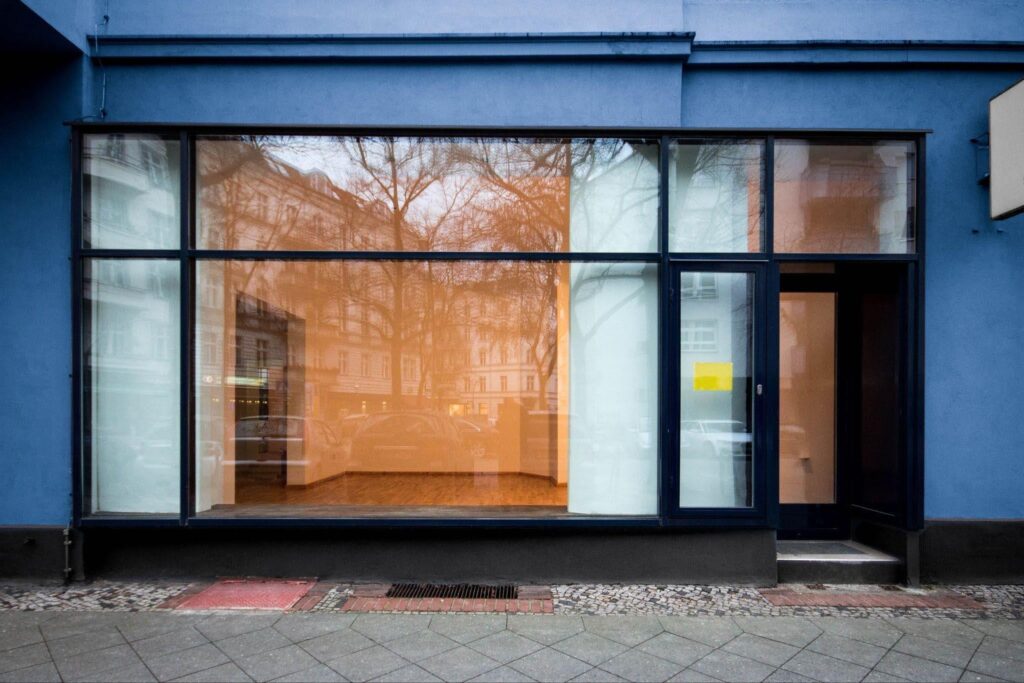
Not every storefront opening needs the same glass. A front display window serves a different purpose from a door that customers use all day. The best option starts with how the opening works and what you want it to do better.
Think about the main concern for that part of the storefront:
- Visibility: A retail display may need clear glass that keeps products easy to see from the outside.
- Security: A business that has experienced break-ins may want to discuss glazing options designed for added protection.
- Comfort: Strong sun exposure may make the area near a large storefront window uncomfortable at certain times of day.
Explain those concerns when you request an estimate. Murray Glass works with Utah businesses on storefront glass and entry systems, helping owners choose options that fit the opening and the problem they want to solve.
Know the difference between safety glass and security glass
Safety glass and security glass serve different purposes. Tempered glass breaks into smaller pieces to reduce injury, while laminated glass uses an interlayer that helps hold broken glass together.
Safety glazing focuses on accidental impact, while security glazing addresses intentional attack. If break-ins are a concern, mention that before requesting a replacement. The frame also affects how well the storefront resists impact.
Look beyond the pane when storefront problems appear
The visible glass gets most of the attention, but the pane represents only part of the storefront. The frame and entrance hardware also affect how the opening works.
Watch for problems such as:
- A door that drags or slams: The issue may involve the door hardware rather than the glass.
- Water near the storefront: Storefront water leakage may originate elsewhere in the installed system, so the frame or seals may need attention.
- Fog between insulated panes: Moisture inside the unit may point to a failed seal.
- Damage around the frame: Bent or deteriorated framing may necessitate a broader scope of commercial glass repairs.
Looking at the entire opening helps identify the source rather than replacing glass that wasn’t the cause of the problem.
Know when repair or replacement makes sense
The source of the problem should guide the next step. Door or hardware issues may not require new glass, whereas cracks or shattered panes usually call for replacement. Fog between insulated panes may also signal a failed seal.
Visible damage or fogging may be signs that a commercial building needs glass replacement. For less obvious issues, an evaluation helps determine whether the project calls for commercial glass repairs or a larger commercial glass replacement.
Think about energy performance before upgrading
Large storefront windows influence comfort near the glass. If employees avoid part of the floor during hot afternoons, the storefront may deserve a closer look when replacement becomes necessary.
Some businesses may benefit from insulated glass or another higher-performance option. Avoid treating an upgrade as a guaranteed source of energy savings. Instead, ask whether the existing glass still fits the way the business uses the space before ordering the same setup again.
Plan for storefront damage before it happens
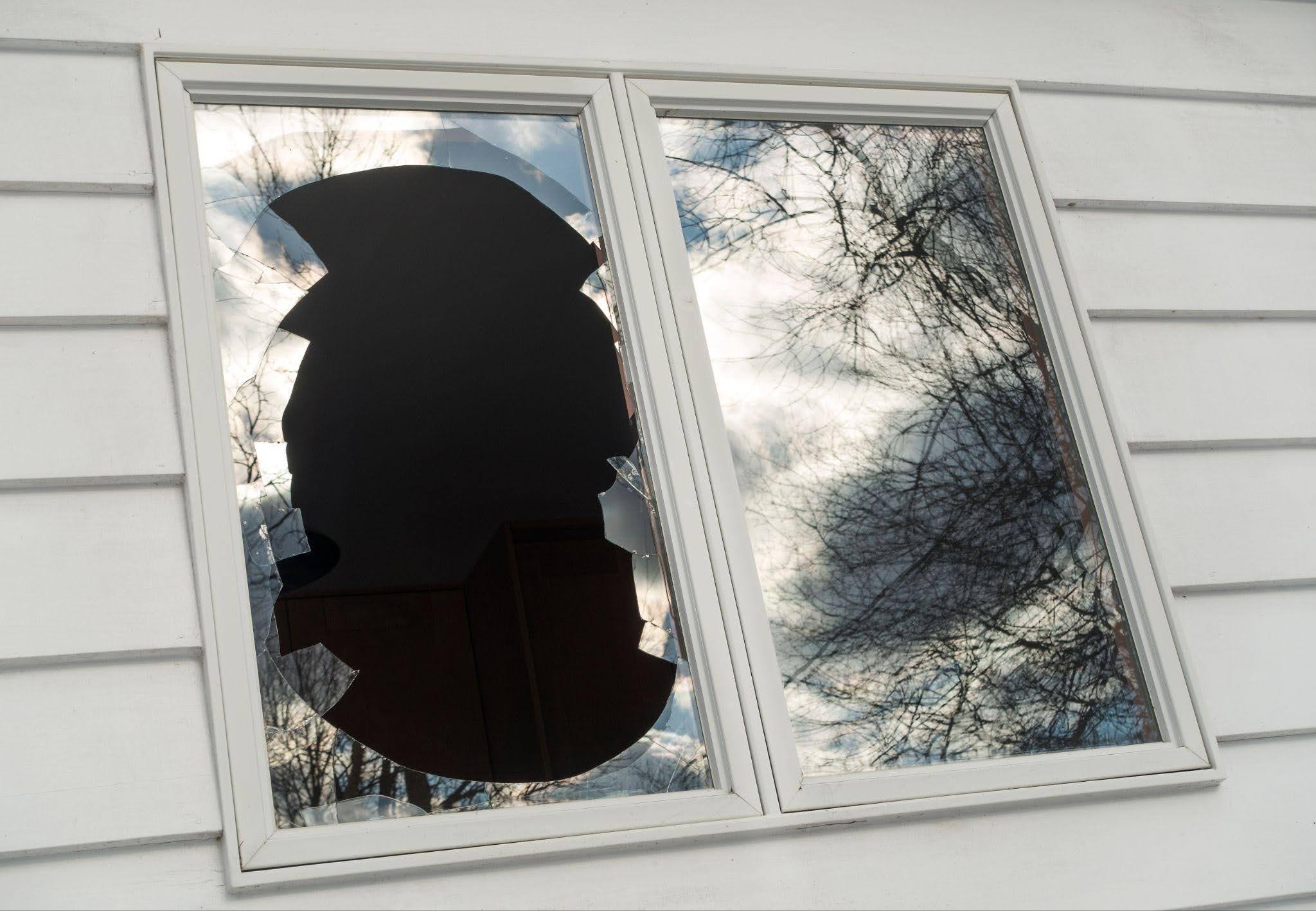
A shattered storefront changes priorities quickly. Knowing what to do in advance helps secure the area and move toward permanent repairs.
After storefront glass breaks:
- Keep customers and employees away from unsafe glass.
- Contact emergency services if there is an active threat.
- Document the damage when it’s safe.
- Contact a commercial glass company to secure the opening.
Murray Glass provides 24/7 glass repair service for urgent commercial damage. Emergency commercial glass repairs may start with temporary protection if the final panel still needs fabrication.
Businesses may secure the opening first, then complete the permanent replacement later, so they should plan for customer access until the final glass goes in.
Consider how replacement affects your business
A planned commercial glass replacement should fit around the way people use the building.
Ask how customers will enter while the crew works. If the project affects the main entrance, discuss whether another entrance will remain open. Businesses with predictable busy periods may also want to discuss scheduling work during a slower part of the day.
If the permanent glass won’t arrive right away, ask what temporary protection will look like and how the business will operate until the final installation.
Clear expectations help reduce disruption. They also give employees useful information before work starts.
Check the lease if you rent the space
Tenants shouldn’t assume the property owner automatically handles broken exterior glass. Property owners shouldn’t assume the tenant always pays, either. Commercial leases handle storefront responsibility in different ways.
Before approving nonemergency work, review the lease language for exterior glass or entrance doors. It may also address accidental damage or vandalism.
Insurance creates a separate question because coverage depends on the policy and the loss. Keep photos of the damage and records from the glass company. For urgent damage, secure the area first and sort out responsibility afterward.
Know what affects a commercial glass estimate
A useful estimate starts with the actual storefront rather than a broad square-foot figure. The scope may change based on:
- Glass size: Larger or custom panels may require more fabrication.
- Glass type: Different glazing options affect the work involved.
- Frame condition: Existing damage may require project expansion.
- Installation needs: Access to the storefront setup may affect the work.
Look beyond the final price and review what the estimate includes. It should identify the proposed glass and explain whether the existing frame stays in place.
For commercial glass replacement, that clarity helps business owners compare quotes more accurately. Murray Glass provides clear written estimates so you understand the recommended work before approving the project.
Questions to ask before approving storefront glass work
Before approving the work, ask a few practical questions so you understand what the project involves:
- What caused the problem?
- Does another part of the storefront need attention?
- What type of glass fits this opening?
- Will the existing frame stay in place?
- What options fit my security concerns?
- How will the work affect customer access?
- Does the replacement require custom fabrication?
- What does the written estimate include?
These questions help you determine whether the project requires targeted commercial glass repairs or broader storefront work before you approve it.
Frequently asked questions
What type of glass do commercial storefronts use?
Glass storefronts often use tempered or laminated glass, though the right choice depends on the opening. Some use insulated glass when thermal performance plays a larger role. A glass professional should identify the existing setup before recommending a replacement.
What is the difference between tempered and laminated storefront glass?
Tempered glass breaks into smaller pieces to reduce cutting hazards. Laminated glass uses an interlayer that helps hold broken glass together. If security is the concern, discuss the level of protection you want rather than assuming either term guarantees it.
Does cracked storefront glass need replacement?
A crack in the pane usually points toward replacement. Door or hardware problems may require a different repair. An evaluation helps identify the source.
Does the entire storefront need to be replaced when one pane breaks?
Not always. A glass company may replace one panel and keep the existing frame when the surrounding system still supports the project. Frame damage may increase the scope.
How long does commercial storefront glass replacement take?
The timeline depends on the glass and the opening. Specialty sizes may require fabrication. For urgent damage, a glass company may secure the opening first and return when the permanent replacement is ready.
Does business insurance cover broken storefront glass?
Coverage varies by policy and the cause of the damage. Document the loss when it is safe, then review the policy or speak with the insurer. If you lease the space, check the lease, too.
Talk to Murray Glass about your commercial storefront
When storefront glass develops a problem, the next step is to understand what’s actually causing it. A good glass company should explain the issue, walk through the options, and make the recommended work clear.
Murray Glass helps Utah businesses assess storefront damage and determine the next steps. We provide clear written estimates and practical recommendations before work begins. If your storefront has damage or you are planning an upgrade, contact Murray Glass to request an estimate. We’ll explain the options, so you know what the project involves before you move forward.