

The concern about cold breaking glass is genuine, especially when glass already has small chips or tiny fractures that you can’t see. Cold weather triggers thermal stress when temperatures shift quickly between indoors and outdoors. If you notice cracking, act fast with home glass repair or window glass replacement to restore safety, insulation, and security.
What makes cold-weather glass damage a real risk
Can the cold break glass? Anyone who’s had a mug break in the freezer after leaving an icy beverage in there too long knows the answer: Yes. However, when it comes to home glass — especially windows designed to withstand the elements — breakage usually occurs only under extreme conditions, and home glass repair can help restore safety and security fast.
However, the definition of “extreme” is highly subjective, especially in a state like Utah, where freezing winters are the norm. Older glass that isn’t reinforced or has tiny fractures invisible to the naked eye literally cracks under the pressure of a cold front.
Glass is strong but certainly not indestructible. During the winter months, it’s vulnerable, especially when you pair cold snaps with heavy door traffic and daily temperature swings. In this guide, you’ll learn how to reduce the risk, when home glass repair makes sense, and when window glass replacement becomes the safer, longer-term fix.
What happens when cold stresses glass
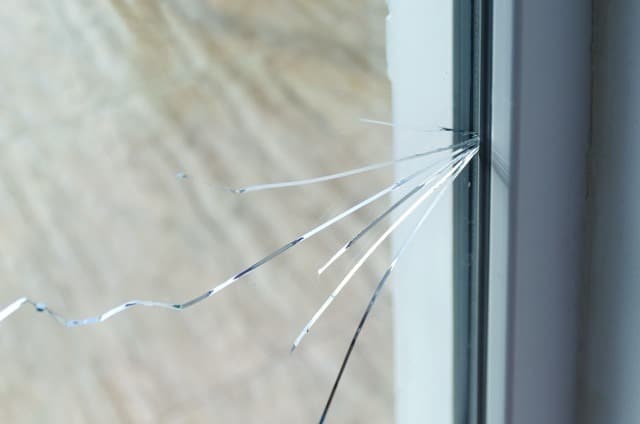
In most cases, the bigger issue of cold stressing glass is rapid temperature change across the pane. When it’s frigid outside and warm inside, different parts of the glass will expand or contract at various speeds. That imbalance creates thermal stress, and stress tends to seek out the weakest point, which is often a tiny chip along an edge or an older pane with unseen microfractures.
Cold weather adds another layer of pressure when doors and storefronts see constant movement. Think of all those shoppers pushing your door open and closed through the holiday season. Movement, vibration, and repeated impacts don’t always cause an immediate break, but they worsen existing weaknesses.
In winter, “cold” rarely acts alone. The risk climbs when cold meets quick temperature shifts, existing flaws, and constant traffic.
Step-by-step: How to lower the risk
1. Inspect the glass before the deep freeze hits
Walk your property and look closely for chips, corner damage, and faint cracks. Older windows and high-traffic doors deserve extra attention because small damages spread more quickly in winter.
2. Replace chipped panes early
The original advice still holds: replace chipped panes — this lessens the risk of weakened glass breaking during a winter storm. If the pane is already compromised or the damage sits near an edge, window glass replacement may be the safest move.
3. Avoid severe temperature changes
When faced with a blizzard outside and roasting hot temperatures inside, glass is under immense pressure. Try to keep interior temperatures moderate and avoid blasting hot air directly onto cold glass.
4. Reinforce glass with a protective film when appropriate
A glass and mirror expert permanently strengthens your glass by applying a film to it, similar to car window tint. The film doesn’t need to be colored, but it can be if you’d like, and that will provide a little extra UV protection.
5. Address small issues immediately
Keep an eye out for any small chips or breaks. These are easy fixes that, if left unattended, cause sudden shattering. Acting early is also one of the best ways to keep home glass repair simple.
6. Plan for worst-case scenarios
Keep a 24-hour emergency repair company’s number at the ready, and check that they’ll be available even on Christmas and New Year’s. Nothing ruins the holidays faster than standing guard over a vulnerable shop.
Benefits of reinforcing glass before winter
- Reduces break risk during cold snaps. Prevention lowers the odds you’ll find out the hard way.
- Improves security. Broken glass is an invitation to burglars, even if it broke on its own.
- Protects comfort and insulation. Reinforcing or upgrading older panes helps reduce drafts and cold spots.
- Cuts disruption. Proactive care reduces the need for emergency calls and downtime.
- Supports efficiency. Replacing older, poorly insulated glass helps lower energy waste and utility bills.
Common mistakes to avoid
- Ignoring tiny chips. Winter stress turns small flaws into big cracks.
- Cranking the heat high during a cold blast. Sharp indoor-outdoor differences increase thermal stress.
- Waiting to “see if it gets worse.” It often does, and it often happens at the worst time.
- Assuming film is only cosmetic. Film adds reinforcement, and it may help keep broken glass more contained.
- Delaying help after a break. When a pane fails, prioritize safety and security first, then schedule a permanent fix.
What the research shows about cold-weather glass damage
Cold-weather breakage usually comes down to a few repeat culprits: rapid temperature swings, existing chips or micro-fractures, and stress concentrated at edges and corners. The good news is that prevention is straightforward. Routine inspections, moderate interior temperatures, and early repairs reduce the likelihood of winter cracking and sudden shattering.
Simple tools that make winter glass care easier
- Soft cloths and a non-abrasive cleaner for routine visibility checks
- Weatherstripping and seal checks to reduce drafts around frames
- A basic indoor thermometer to avoid dramatic temperature swings
- Optional: professionally installed protective film for added reinforcement
- A saved emergency contact and a plan for securing the opening if needed
FAQs
Can cold break glass?
Yes, it is possible to break glass in cold conditions, but the biggest culprit is often thermal stress from rapid temperature changes. If the glass has small chips or micro-fractures, cold snaps worsen those weak points. Early inspection and fast repairs help prevent sudden failure.
What’s the difference between a chip and a crack that needs replacement?
A small chip may stay stable for a while, but chips near the edges spread quickly in winter. If a crack grows, affects visibility, or compromises the seal, window glass replacement often provides the safest and most reliable long-term fix.
Should I try DIY fixes before calling a pro?
Skip DIY patch jobs on windows. Temporary tape or sealants trap moisture or hide spreading cracks. A professional will assess whether home glass repair is possible or if the glass requires proper replacement for safety and insulation.
Does window film actually help in winter?
In some cases, yes. Film adds reinforcement and may help hold fragments together if the glass breaks. Film won’t fix a compromised pane, but it supports prevention when paired with inspections and timely repairs.
When should I call for emergency service?
Call right away if the opening compromises security, exposes interiors, or creates a hazard for customers or family. Even if you schedule a permanent fix later, quick service will secure the space immediately.
Protect your glass before winter hits with Murray Glass
So, can cold break glass? Yes, especially when existing chips, micro-fractures, and rapid temperature swings combine. Reinforcing glass, avoiding severe indoor-outdoor temperature fluctuations, and addressing minor damage promptly prevent sudden failure.
If you’re seeing cracks or drafts, Murray Glass will recommend the right next step, from home glass repair to window glass replacement. Contact Murray Glass to schedule service and protect your space before winter hits.