
Glass block windows still work well when a room needs privacy and natural light without a clear view of the outdoors. Bathrooms and basements often suit them best, along with garages and utility spaces. Before choosing glass block, think about ventilation and egress. Also consider energy performance and how you want the room to function. Another privacy-glass option may fit better.
Start with what you need from the window
Glass block often comes up during bathroom remodels and basement updates. Some homeowners like the privacy and soft daylight, while others want more ventilation or a different look.
If you already have a glass block window, visible damage may help determine the next step. A cracked block or worn joint doesn’t always call for full replacement. In some cases, glass repair may address the problem while leaving the rest of the panel in place.
Instead of starting with whether the glass block feels current, think about what you need the opening to do. Privacy, airflow, and the way you use the room should guide the decision.
What is a glass block window?
Installers join individual glass units together to fill an opening. Different textures and patterns affect how much detail you see through the glass. Most installations stay fixed, although some systems include a small vent.
Homeowners usually choose this style when they want daylight without a clear view into the room.
Is glass block still a good option?
Yes, in the right setting. Glass block works best when privacy and daylight take precedence over a clear view or a fully operable window.
It may make sense when you:
- Want light in a bathroom without exposing the interior
- Have a basement opening where privacy helps
- Need daylight in a garage or utility room
- Prefer a fixed window in a space that already has ventilation
It may make less sense when you want to open the window regularly or look outside. The same applies when the opening needs to support emergency escape. Start with the room rather than the product.
Where do glass block windows work best?
Bathrooms remain a common choice because textured surfaces let in light while limiting the view. Basements also work well for small foundation openings where homeowners want daylight without a direct view into the home.
Garages and laundry rooms may benefit from the same reason. A fixed panel works better when the room already has reliable ventilation than when you depend on the window for fresh air.
What should you consider before choosing glass block?
Ask what you expect from the opening before you focus on style.
Consider:
- How much privacy do you need during the day and at night?
- Do you want to open the window for airflow?
- Do you want a clear outdoor view?
- Will water regularly reach the window or the surrounding wall?
- Does the opening need to support emergency escape?
- Do you expect to use the room differently later?
Energy performance deserves attention too. Different assemblies perform differently, so review the ratings for the product you’re considering. Factors such as the U-factor and the solar heat gain coefficient indicate how well a window limits heat transfer and manages heat from sunlight.
How much privacy does glass block provide?
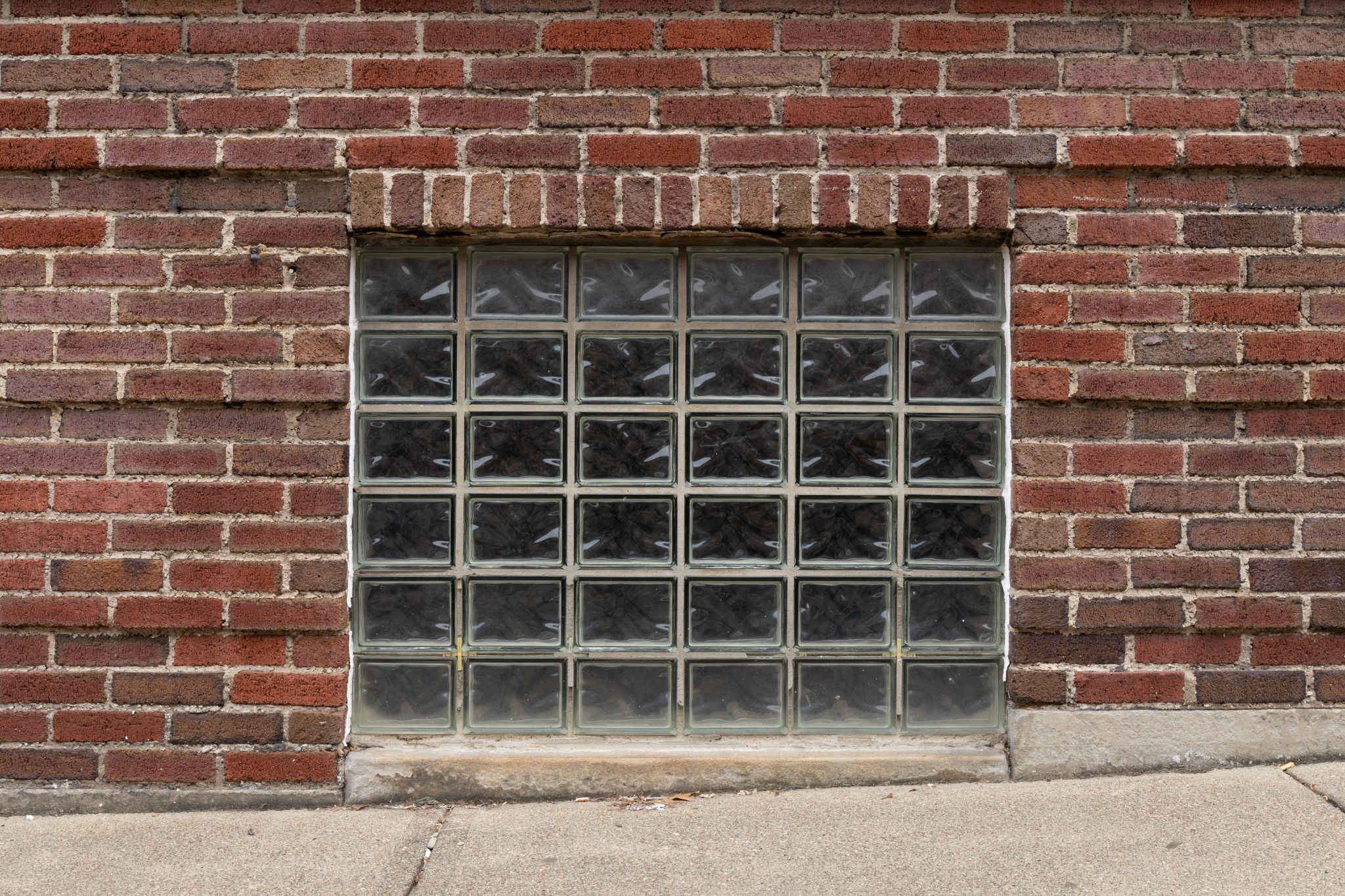
The amount of privacy depends on the pattern you choose. More heavily textured blocks make it harder to see through the window, while clearer styles may still show outlines or movement.
Interior lighting may make a person’s outline more noticeable from outside at night. If you’re choosing glass for a bathroom or shower, review a sample under lighting similar to the room. Don’t assume the word “privacy” means complete visual coverage.
What about ventilation?
Most glass block panels don’t open. That works well in rooms with another source of ventilation, but it creates a limitation when you depend on the window for airflow.
Some systems incorporate a vent into the panel. If fresh air plays a major role in the room, compare that option with an operable privacy-glass window.
Does glass block work well in bathrooms?
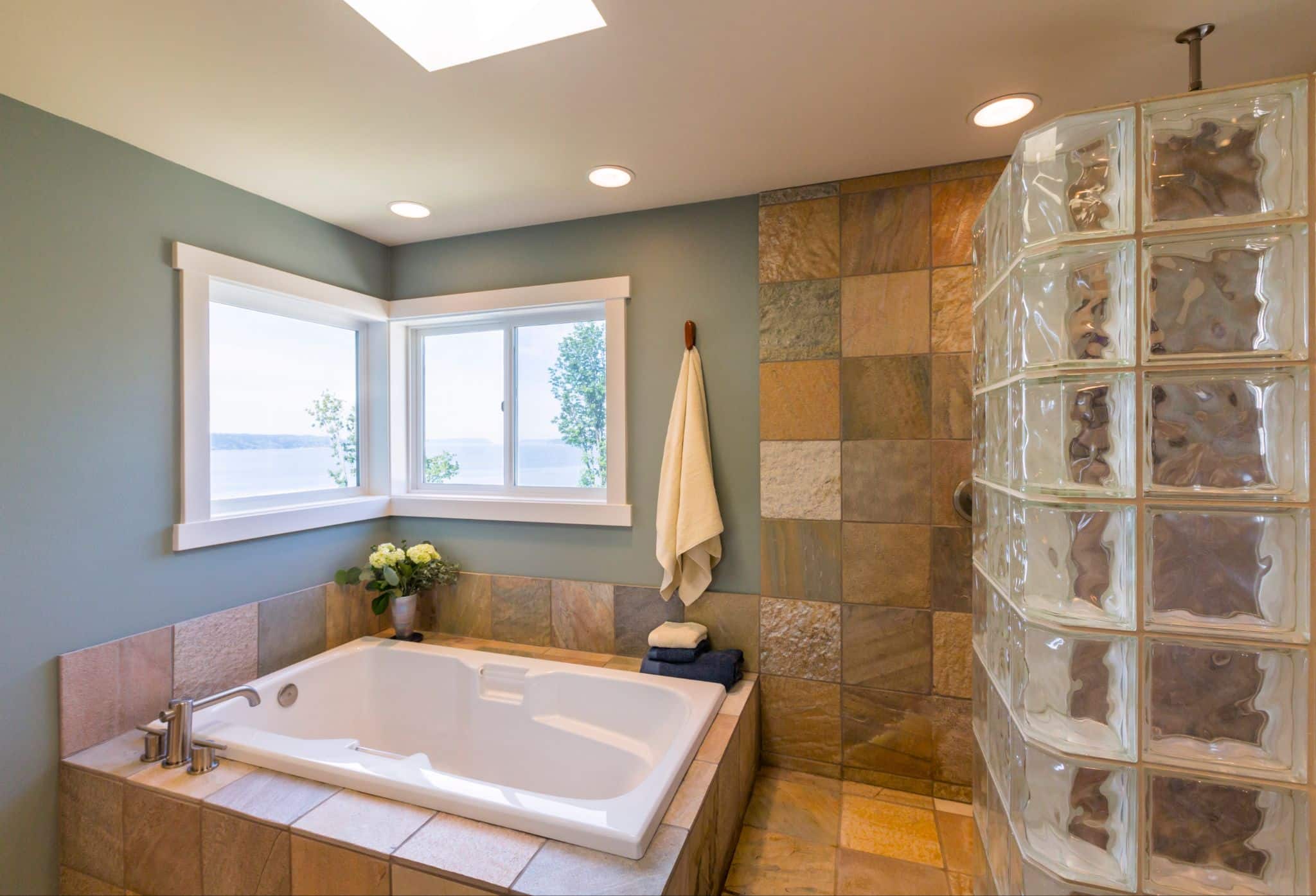
Bathrooms give glass block one of its strongest use cases. The window brings in daylight while reducing direct visibility, and textured blocks may suit a shower layout where clear glass would feel too exposed.
Water that reaches the sill or wall may expose weak seals or damaged joints over time. If a remodel changes the shower layout, review the window as well. Replacing glass block windows may make sense when you want a different look or better ventilation. Existing deterioration may also push the project toward replacement.
What should you know about basement glass block?
Basement windows often sit close to ground level, which makes privacy a natural concern. Glass block provides daylight without offering the same direct view into the basement.
Before changing the opening, think about egress. The International Residential Code requires operable emergency escape and rescue openings in certain basements and sleeping rooms. Section R310 of the IRC explains those requirements. Local adoption and project details affect what applies, so verify the requirements before changing an operable opening to a fixed panel.
If you plan to finish the basement or add a bedroom later, that future use may change what you need from the window.
Glass block vs. privacy glass
Glass block isn’t the only way to add privacy. Frosted or patterned glass may offer another option while keeping a conventional window style.
Glass block may fit better when:
- You want a fixed opening.
- Privacy takes priority over the outdoor view.
- You like diffused daylight.
Privacy glass may fit better when:
- You want an operable window.
- You prefer a conventional frame.
- You want more flexibility in how the room functions.
Neither option works better in every situation. If you’re comparing glass block with another style, window replacement options give you more flexibility to choose a setup that fits the opening and how you want the room to function.
Should you repair or replace an existing glass block window?
Start with the condition of the full assembly. One cracked block may point toward a localized repair. Widespread joint failure or repeated leaking may justify a broader replacement plan.
Homeowners often start replacing glass block windows when the room itself changes. A bathroom remodel may call for another style, while a basement renovation may create new ventilation or egress needs.
Before choosing a repair or replacement, look at the condition of the full opening rather than focusing only on the visible damage. A closer inspection may show whether the problem stays limited to one block or extends into the surrounding joints and frame.
When does repair make sense?
Homeowners often search for glass block windows repair after spotting one obvious problem, but visible damage doesn’t always tell the whole story.
Repair may make sense when:
- One block has cracked while the rest of the panel remains sound.
- A limited section of joint material has deteriorated.
- The perimeter needs attention, but the panel still sits securely.
A larger replacement may fit better if the damage affects several areas or if the panel no longer suits the room. The right approach to glass block windows repair depends on the panel construction and the condition around the damaged area.
Is glass block outdated?
Glass block adds a distinct look to a room, so it won’t suit every remodel. Some homeowners still choose it because the privacy and natural light work well for the space, especially in bathrooms and basements.
If you want privacy and daylight in a fixed opening, glass block still offers a practical combination. If you dislike the look or want a window that opens, privacy glass may suit the room better.
FAQ
Can you replace one broken glass block?
Sometimes. The surrounding blocks and joints need enough stability to support a localized repair. Access and panel construction also affect the work. A professional should review the assembly before recommending glass block windows repair for one damaged section.
Can you see through glass block at night?
That depends on the pattern and lighting. Highly textured blocks obscure more detail, but strong interior light may still reveal shapes or movement.
Can a glass block window include a vent?
Some systems include small vents for airflow. If ventilation plays a major role in the room, compare the vent size to that of a conventional operable window.
Can you replace glass block with a regular window?
In many situations, replacing glass block windows with a conventional window offers another path. The opening and surrounding construction affect the project. Basement use and code requirements may also influence the choice.
Why does my glass block window leak?
Water may enter through deteriorated joints or perimeter seals rather than through an intact block. Condensation may also leave moisture on the interior surface. Identify where the water starts before choosing a repair.
Should I replace old glass block because of its age?
Don’t base the decision on age alone. Check the condition of the blocks and surrounding joints, then consider whether the window still provides the privacy and airflow you want for the space.
Decide what you need from the opening with Murray Glass
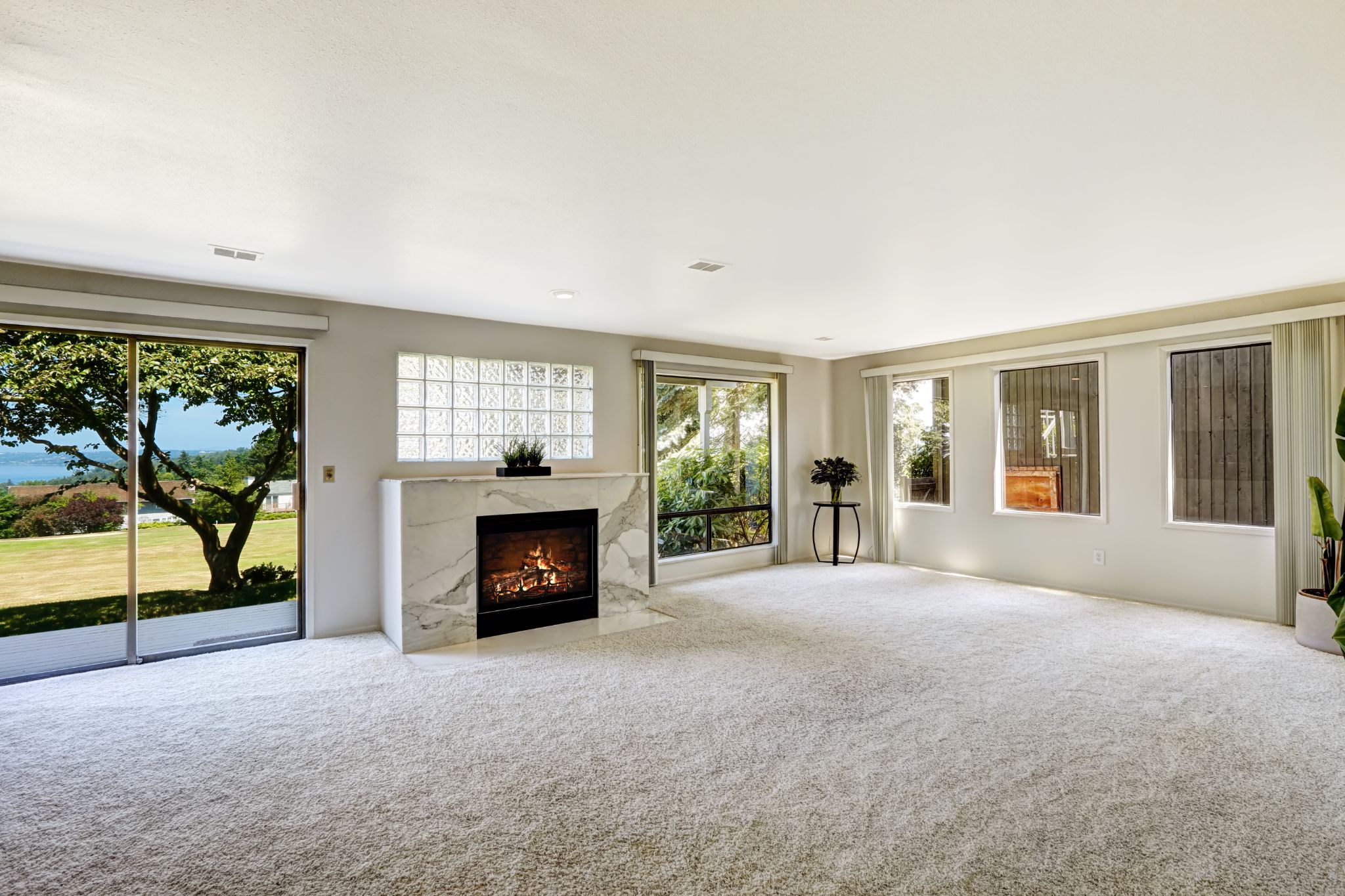
Glass block works well when privacy and natural light take precedence. A different window may fit better when you want more airflow or a clear view. If damage drives the question, glass block windows repair may solve an isolated problem, while broader deterioration may point toward replacement.
If you’re deciding between repairing and replacing glass block windows, contact Murray Glass for a clear assessment of the opening and practical next steps.