
Tempered and laminated glass protect homeowners in different ways. Tempered glass breaks into small pieces, reducing the risk of serious cuts. Laminated glass uses an interlayer that helps cracked glass stay together. When comparing tempered glass vs laminated glass, the safer choice depends on the location and what you need the glass to do after impact.
How tempered and laminated glass protects your home
Different openings call for different types of protection. A shower door faces a different risk than a ground-floor window near an entry. Tempered glass safety focuses on reducing injury when the pane breaks, while laminated glass helps the broken pane stay together. The right choice depends on how you use the opening and what you want the glass to do after impact.
What’s the difference between tempered and laminated glass?
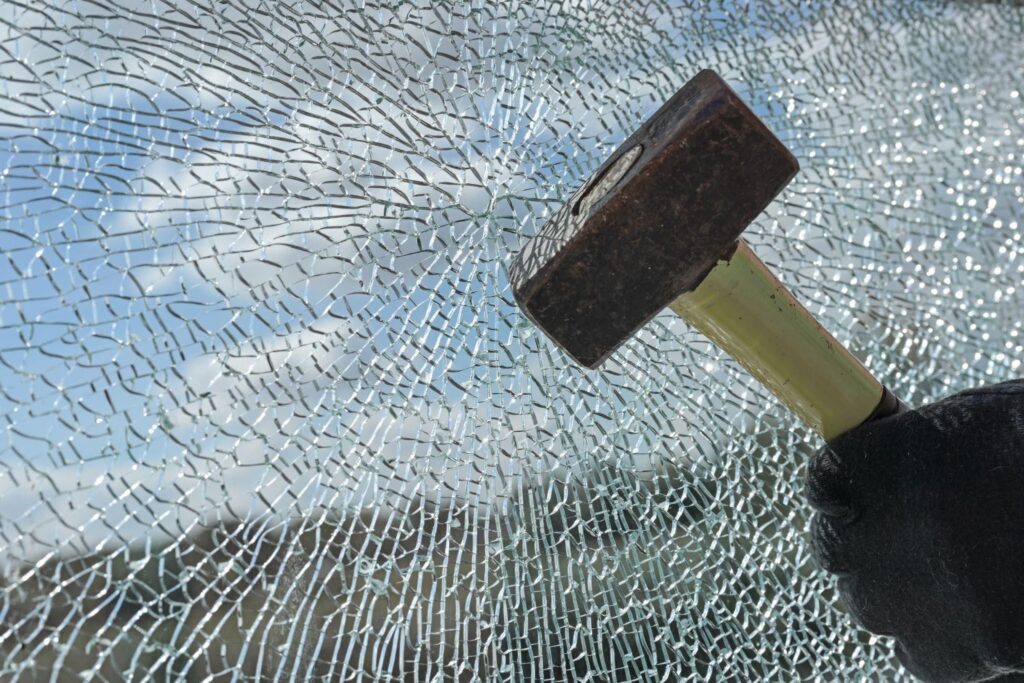
Manufacturers create tempered glass by heating it and cooling it quickly. That process strengthens the pane and changes the way it breaks. When tempered glass fails, it usually breaks into many small pieces rather than large shards.
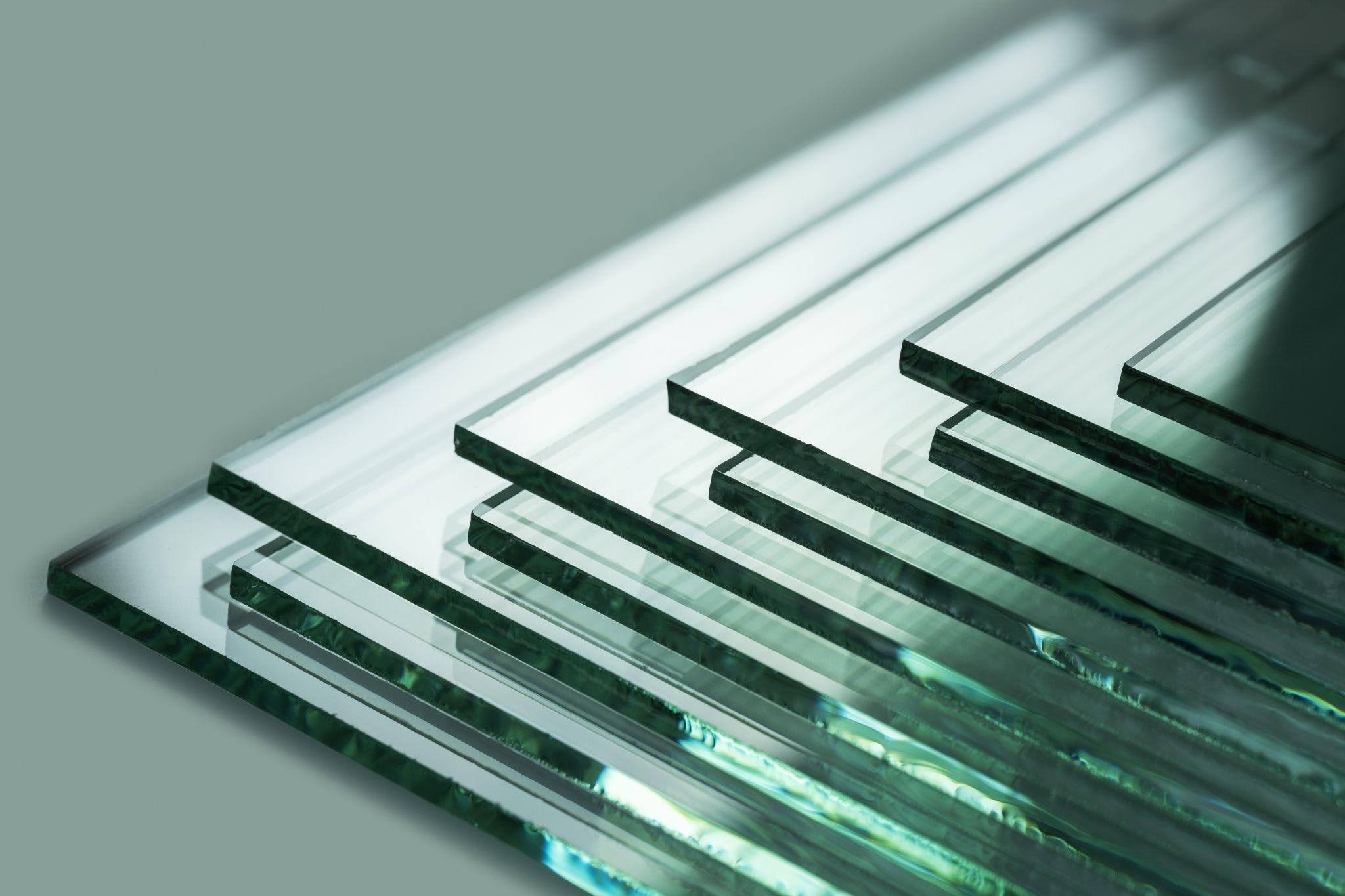
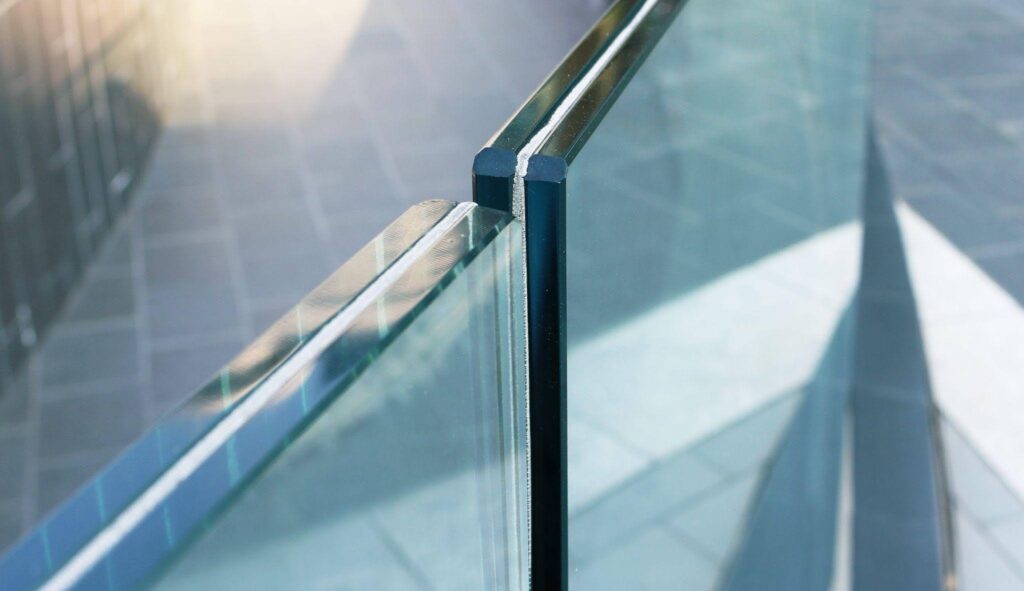
Manufacturers build laminated glass by bonding glass layers around a durable interlayer. An impact may crack the glass, but the interlayer helps hold the broken pieces together.
That difference shapes the tempered glass vs laminated glass decision. Tempered glass focuses on strength and a safer break pattern. Laminated glass safety also considers what happens to the opening after the pane cracks.
Is tempered or laminated glass safer?
Neither option offers the best protection for every part of a home. Start by asking what type of risk you want the glass to address.
Tempered glass safety makes the most sense when accidental human impact creates the main concern. If someone slips into a shower door or strikes glass near a walking area, the smaller pieces reduce the risk of serious cuts.
Laminated glass offers a different advantage. The interlayer helps hold the cracked pane together, which may help the opening retain its barrier after impact.
Think about three questions:
- How easily does the glass break?
- How does it break?
- What happens to the opening afterward?
Those questions lead to a more useful choice than asking which glass is stronger.
What are the benefits and drawbacks of tempered glass?
Tempered glass offers a practical combination of strength and safer breakage. Heat treatment makes it stronger than ordinary annealed glass of the same thickness.
Benefits of tempered glass
- Safer breakage: Small pieces reduce the risk from large, sharp shards.
- Impact resistance: Tempered glass handles everyday bumps better than standard annealed glass.
- Thermal performance: It handles temperature changes well.
- Common safety applications: Homeowners often see it in shower enclosures and glass doors.
Drawbacks of tempered glass
- The pane usually breaks apart completely: Once tempered glass fails, most of the pane may fall away.
- The opening may need immediate attention: a broken exterior pane may leave the home exposed until it’s replaced.
- It offers less post-breakage protection: Tempered glass doesn’t provide the same barrier after impact as laminated glass.
For that reason, tempered glass safety and home security don’t always point toward the same product.
What are the benefits and drawbacks of laminated glass?
Laminated glass puts more emphasis on retaining the pane after impact. The interlayer keeps many cracked pieces bonded together, so the glass often remains in the frame.
Benefits of laminated glass
- Glass retention: The interlayer helps hold broken fragments together.
- Penetration resistance: Someone may need more time and effort to clear an opening.
- Noise reduction: Some laminated constructions help reduce sound transmission.
- UV protection: Many products reduce ultraviolet transmission and help limit interior fading.
Drawbacks of laminated glass
- Higher cost: Laminated glass usually costs more than a basic tempered option.
- It still breaks: The interlayer helps hold the pane together, but it doesn’t make the glass unbreakable.
- Security varies by system: Standard laminated glass may improve retention, but it doesn’t automatically provide a specific forced-entry rating.
It’s important to separate laminated glass safety from security ratings. A security-focused system needs the right glass construction and a frame that supports the intended performance.
Where does each type work best?
Tempered glass works well where people may accidentally strike the pane, including:
- Shower doors and enclosures
- Patio and sliding doors
- Certain windows near doors or walking areas
Federal safety rules from the U.S. Consumer Product Safety Commission address safety glazing in several of these locations.
Laminated glass safety is suitable for situations where homeowners want the pane to remain intact after impact. It may work well for security-focused windows, noisy areas, or properly rated systems designed for flying debris.
For specific storm or security performance, homeowners should look at the full tested assembly rather than the laminated glass alone.
What happens after each type of glass breaks?
The difference becomes especially clear after failure.
Tempered glass usually breaks across the entire pane. The small pieces help reduce the risk of deep cuts, but they may leave an exterior opening exposed.
Laminated glass behaves differently. Cracks may spread while the interlayer continues holding the fragments together. The damaged pane still needs to be replaced, but it may remain in the opening temporarily.
If broken glass leaves an opening or poses an immediate safety risk, professional glass repair helps secure the area and determine the appropriate replacement.
Does laminated glass make your home more secure?
Laminated glass may enhance home security because the interlayer makes the pane harder to break. An intruder may crack the outer glass but still needs to work through the bonded material.
That advantage doesn’t make every laminated window burglar-proof. Security performance depends on the full assembly. Glass thickness affects resistance, and the frame must be strong enough to hold the glazing in place.
If security drives the project, ask whether the proposed system carries a relevant forced-entry rating. That question gives you more useful information than the laminated label alone.
Does building code affect which glass you need?
Yes. Building codes identify locations where homeowners need safety glazing because accidental human impact presents a greater risk.
The 2021 International Residential Code addresses glazing in doors and certain glass near doors. It also covers specific windows near walking surfaces and glazing around wet areas. Some locations near stairs also qualify as hazardous.
That means you don’t always get to choose glass based only on preference. The opening may need glazing that meets a specific safety standard. Before ordering replacement glass, identify where the pane sits and how people use the surrounding space.
What should homeowners consider before choosing?
When homeowners compare tempered glass vs laminated glass, the right answer starts with the opening rather than the product name.
Where does the glass sit?
A shower enclosure faces a different risk than a bedroom window. The location may also trigger safety-glazing requirements.
Could someone strike the pane?
If people regularly move close to the glass, focus on how it behaves during human impact.
What should happen after breakage?
Ask whether you want the broken glass to leave the opening or remain together. That difference often provides the clearest dividing line.
Do security concerns influence the project?
Laminated glass may increase penetration resistance, but the overall assembly determines the final result.
Does noise or UV exposure affect your choice?
Laminated glass may provide additional benefits when outside noise or strong sunlight affects the room.
What does your existing frame support?
Glass thickness and glazing construction affect fit. The existing frame may limit the available replacement options.
What fits the budget?
Compare cost against the performance you actually need. A higher price doesn’t automatically create better value for every opening.
FAQ
Which is harder to break: tempered or laminated glass?
Tempering increases the strength of the glass itself. Laminated construction focuses more heavily on holding the pane together after cracks develop. Compare impact resistance and post-breakage performance separately, rather than treating strength as a single metric.
Is laminated glass burglar-proof?
No. Laminated glass may slow penetration because the interlayer holds broken pieces together, but it doesn’t guarantee that someone will never get through. Security-rated systems use specific glass constructions and supporting frames.
Does laminated glass reduce outside noise?
Some laminated constructions reduce sound transmission. The full window still influences how much noise enters the home, so homeowners should consider the frame and overall glazing setup as well.
Does laminated glass block UV rays?
Many laminated products reduce ultraviolet transmission because of the interlayer. Exact performance varies by product, so review the specifications when UV reduction plays a major role.
How do I know whether my glass is tempered?
Look near a corner for a permanent manufacturer marking or safety-glazing label. The marking may identify tempered glass and reference the applicable standard. If you don’t see one, ask a glass professional to inspect the pane before making assumptions about tempered glass safety.
Does laminated glass also use tempered glass?
Yes. Manufacturers may laminate tempered glass when a project requires the characteristics of both treatments. The tempered layers provide strength and their distinct break pattern, while the interlayer helps retain fragments.
Choose glass based on how your home needs it to perform with Murray Glass
The tempered glass vs laminated glass decision becomes easier once you identify the risk you’re trying to address. Tempered glass works well where accidental human impact makes safer breakage a priority. Laminated glass offers an advantage when you want damaged glass to remain together after impact.
Your opening may also need to meet local safety-glazing requirements, while the existing frame may influence which replacement options fit properly.
Murray Glass helps Utah homeowners compare glass options based on the opening and the way they use the space. If you’re replacing broken glass or planning an upgrade, contact Murray Glass to review the project and request a clear estimate before work begins.